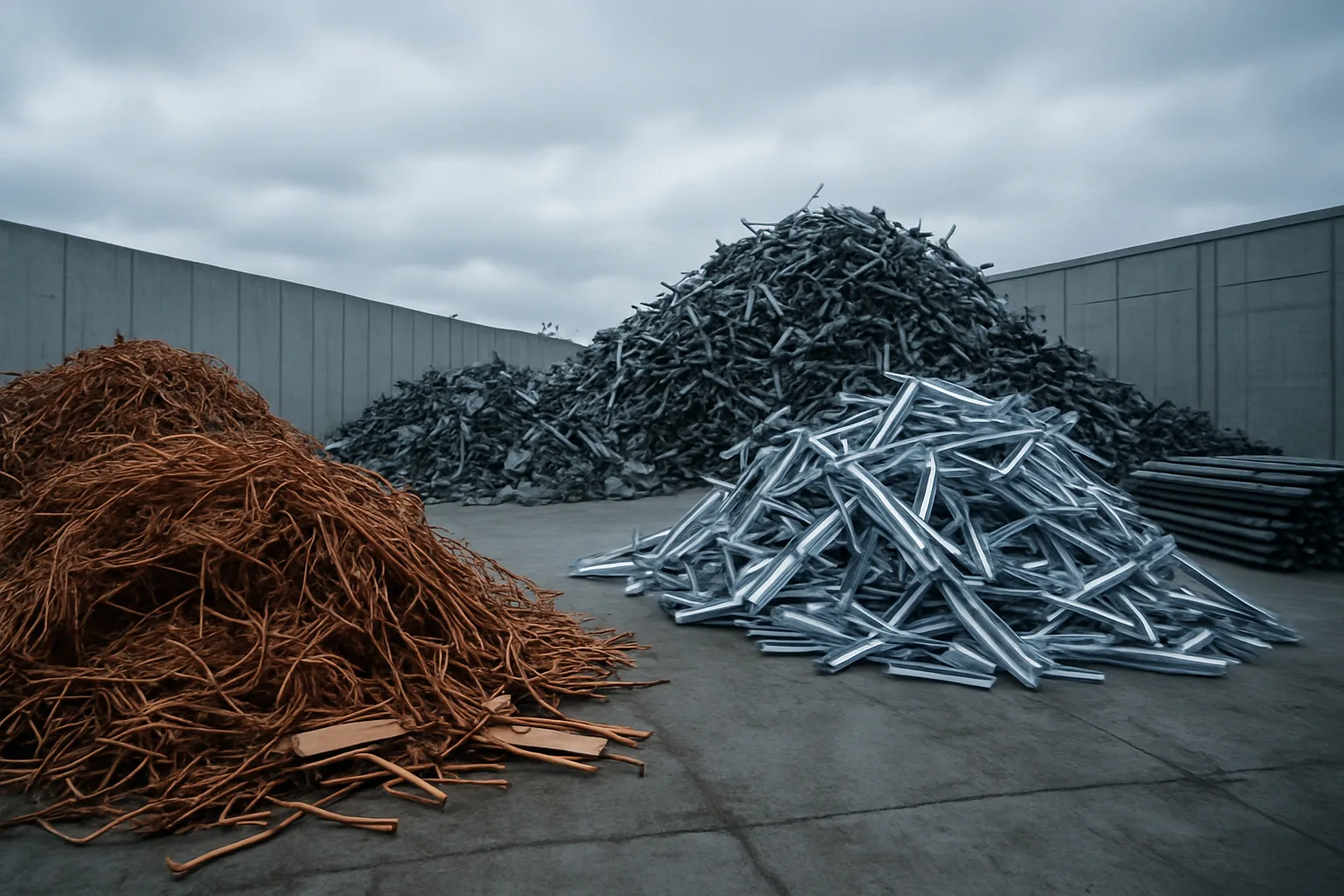
Construction Sites Are Sitting on a Goldmine — Most Crews Don't Know It
Every demolition job tears out copper wire, aluminum framing, steel beams, and scrap pipe. That material doesn't disappear — it piles up in bins, gets hauled off cheap, or worse, gets left for someone else to deal with. If you're running a construction or demolition site and you're not tracking your copper scrap price today, you're leaving real money on the table. This isn't a side note. On large jobs, the scrap alone can offset a meaningful chunk of disposal costs.
This case study walks through how construction and demolition sites generate scrap metal, what those materials are worth, and how smarter recycling — through platforms like SMASH — helps Canadian operators get better returns on the material they're already producing.
What Construction and Demolition Sites Actually Generate
Most people picture scrap metal as a few old car parts or a busted water heater. On a C&D site, it's a different scale entirely. A single commercial demo in Montreal can produce thousands of pounds of recoverable metal before the dust settles. The challenge isn't finding the material — it's knowing what you have and who will pay fairly for it.
Here's what typically comes off a construction or demolition site:
- Copper: Electrical wiring, plumbing pipe, copper bus bars, HVAC coils. This is the highest-value category. Copper scrap prices fluctuate daily, so timing and documentation matter.
- Aluminum: Window frames, curtain wall systems, conduit, roofing panels, structural extrusions. Scrap aluminum is lighter than steel but moves quickly at recyclers.
- Steel and iron: Rebar, I-beams, structural steel, pipe, duct work. Lower per-pound value than copper or aluminum, but often the highest volume on any site.
- Stainless steel: Commercial kitchens, industrial facilities, and hospitals produce stainless during renovations. It carries a premium over regular steel.
- Brass and bronze: Valves, fittings, plumbing fixtures. Often overlooked. Worth separating from mixed loads.
- Catalytic converters: If a demolition involves heavy equipment, forklifts, or fleet vehicles being decommissioned, cats come off those units too.
The mistake most sites make is co-mingling everything into one bin. Mixed loads sell at the lowest common denominator. Sorting even a few key categories — copper separate, aluminum separate — can meaningfully change what a buyer is willing to pay per pound.
How Scrap Metal Pricing Works on C&D Sites — and Why Copper Leads the Conversation
When crews talk about scrap value on a job, copper dominates the conversation. And for good reason. The copper scrap price today is typically quoted in dollars per pound and tracked closely by contractors, electricians, and demo crews across Canada. It moves with global commodity markets — London Metal Exchange, COMEX, supply disruptions — and what you're offered at a local yard may or may not reflect what the market actually supports.
That gap between local yard offers and actual market value is exactly the problem platforms like compare scrap metal bids from Canadian buyers are built to close. When a single buyer sets the price, you have no way of knowing if you're getting a fair deal. Competition changes that dynamic entirely.
On a typical commercial demo in Quebec, here's the general value hierarchy contractors work with:
- Bare bright copper wire — top tier, highest price per pound
- #1 copper pipe and tubing — clean, no solder or fittings
- #2 copper — mixed, soldered, or painted copper
- Aluminum extrusions and sheet — solid mid-tier value
- Stainless steel — depends on grade
- Light iron and steel — high volume, lower price per pound
Disclaimer: Scrap metal prices fluctuate constantly based on market conditions. Always check current rates before selling. The categories above reflect general industry hierarchy, not guaranteed pricing.
A Real Scenario: Demolition Site in Montreal Rethinks Its Scrap Strategy
Picture a mid-sized commercial demolition project in Montreal — a 1970s-era office building coming down to make room for new mixed-use development. The crew strips the building before the wrecking crew arrives. Electrical contractor pulls all the wiring. Plumbers remove copper supply lines. HVAC crew extracts the rooftop units and interior ductwork.
In the past, the approach was simple: call one buyer, load it all in a bin, get a single offer. Fast, easy, and almost certainly leaving money on the table. The buyer on the other end of that phone call isn't obligated to give you the best rate. They give you the rate they can get you to accept.
Now consider a different approach. The site supervisor separates the loads as material comes out — bare copper in one bin, #2 copper in another, aluminum window frames stacked separately, steel rebar in a roll-off. They document everything with photos and weights. That inventory goes onto a platform where vetted buyers can see the load details and submit competing bids.
The outcome isn't guaranteed to be dramatically different every time. But the process is fundamentally more honest. More buyers means better price discovery. That's not marketing language — that's how markets are supposed to work. If you're operating in Montreal or anywhere across Quebec, Montreal scrap metal services through SMASH give you that buyer competition without the hassle of cold-calling yards yourself.
Why Scrap Metal Recycling in Montreal Has Unique Advantages
Montreal is one of the most active construction markets in Canada. Infrastructure renewal, downtown densification, industrial conversion projects — there's no shortage of demolition feeding the supply chain. That activity means there's a real buyer ecosystem in place, and it means the volume of material coming off sites creates genuine market interest.
Quebec's construction sector also operates under specific regulations around material diversion and waste. Contractors already tracking material disposal for compliance purposes are halfway to tracking scrap for value. The documentation you're already creating — manifests, BOLs, packing lists — is exactly what buyers need to feel confident submitting competitive bids.
Scrap metal recycling in Montreal benefits from proximity to major processors and port access for export. That matters because export markets — particularly for copper and aluminum — often support stronger pricing than purely domestic demand. When your load is visible to buyers connected to those markets, you're not just selling to whoever has a yard nearby. You're accessing a broader ecosystem.
The same logic applies across scrap metal recycling Canada-wide. Whether your next demo job is in Ontario, Quebec, or further west, the fundamentals are the same: more buyer competition, better documentation, and clear material separation translate to stronger returns. Platforms like SMASH operate across North America, which means your load isn't limited to whoever answers the phone in your postal code.
How SMASH Fits Into a C&D Scrap Operation
SMASH is built for exactly this kind of seller — someone with real volume, real material, and no time to chase buyers across three provinces. The platform connects you with vetted buyers, runs a competitive auction process, and handles auto-invoicing so your paperwork doesn't become a second job.
For construction and demolition operators, the inventory tool matters. You're not selling one piece of pipe — you're selling categorized loads with weights, grades, and photos. That documentation gives buyers the confidence to bid aggressively instead of padding their offer to account for uncertainty. When a buyer can see exactly what they're getting, they price accordingly.
There are no subscription fees. SMASH only wins when the seller wins — that alignment matters when you're evaluating whether a platform is actually working for you or just collecting a monthly bill while you still make your own calls.
If you're ready to sell your scrap metal at fair Canadian prices, the first step is getting your loads documented and into a process where buyers compete for them — not the other way around. You can also explore scrap metal selling guides to sharpen your approach before your next job wraps up.
Practical Steps to Maximize Scrap Value on Your Next Job
Whether you're running a full commercial demo or a large renovation, the habits that drive better scrap returns aren't complicated. They just require doing things in a slightly more deliberate order than throwing it all in one bin at the end.
- Identify scrap categories before work starts. Brief your crew on what to separate — copper, aluminum, steel. Have dedicated containers on site from day one.
- Photograph material as it comes out. Before and after sorting. Buyers trust documented loads more than verbal descriptions.
- Weigh loads before pickup. Know your numbers going in. A buyer who tells you the weight after the fact is a buyer with a conflict of interest.
- Check the copper scrap price today before you sell. Prices move. Selling on a strong day versus a weak day can be a real difference on a significant load.
- Use a platform that creates competition. One phone call to one buyer is not a pricing strategy. It's a guess. Put your load in front of multiple vetted buyers and let the bids tell you what the market supports.
- Keep your BOLs and packing lists organized. This protects you legally, makes invoicing faster, and keeps your scrap operation professional — especially if you're working on regulated sites in Quebec or elsewhere in Canada.
If you want to get a fair price for your scrap today, start treating your scrap stream like the revenue line it actually is — not an afterthought you deal with when the dumpster is full.
Frequently Asked Questions
Q: What is the copper scrap price today in Montreal?
Copper scrap prices change daily based on commodity markets and vary by grade — bare bright, #1, and #2 copper all price differently. Check with multiple buyers or use a competitive platform to see what the market is actually offering in Montreal on a given day. Never rely on a single quote as your benchmark.
Q: How do I sell scrap metal from a construction site in Montreal?
Start by separating your materials by type — copper, aluminum, steel — before mixing them into a single bin. Document the loads with photos and weights, then connect with vetted buyers through a platform like SMASH or reach out directly through sell-scrapmetal.ca. Having organized, documented loads almost always results in a stronger offer.
Q: Is scrap metal recycling worth it for small demolition jobs in Quebec?
Yes — even smaller jobs generate more recoverable material than most crews realize. A single floor of an older commercial building can yield significant copper from electrical work alone. The effort required to separate and document the material is low compared to the value you can recover, especially if copper prices are running strong.
Q: What metals are most common on construction and demolition sites in Canada?
Steel and iron are the highest volume, but copper and aluminum generate the most value per pound. Brass fittings, stainless steel from commercial kitchens, and aluminum window systems are also frequently recovered on demo jobs across Canada. The mix depends heavily on the building's age, use, and condition.
Q: Does SMASH handle scrap from large construction sites, or just individual sellers?
SMASH is built for volume sellers — contractors, demolition companies, recycling yards, and industrial operators all use the platform. If you're generating consistent loads, the auction format and vetted buyer network are particularly useful because competition scales with load quality and volume. No subscription fees, and the process is designed to handle real commercial quantities.
Construction and demolition sites across Canada generate enormous amounts of recoverable metal. The difference between leaving money behind and capturing it comes down to process. If your next job is wrapping up in Montreal or anywhere across Quebec, don't hand your scrap to the first buyer who answers the phone. Document it, separate it, and let buyers compete. When you're ready, sell-scrapmetal.ca is the place to start.
Follow SMASH on LinkedIn for scrap metal market updates, industry insights, and tips to help you get more out of every load.