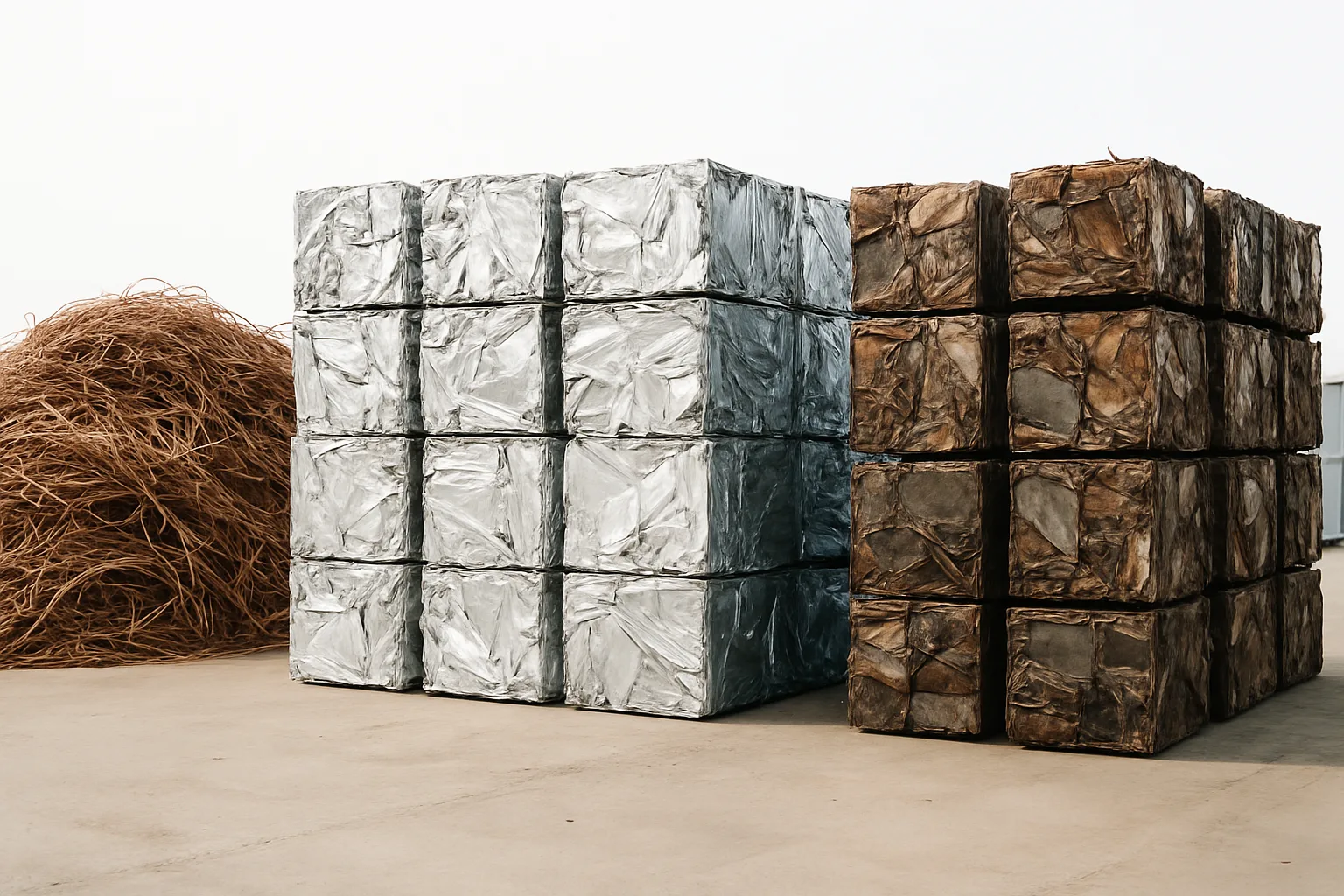
Steel vs. Iron Scrap: Why the Price Difference Matters When You Sell
Most people assume scrap is scrap. Toss it in a pile, weigh it, get paid. But if you've ever hauled a load of mixed metal to a yard and walked away feeling like you left money on the table — you probably did. Steel and iron are not the same material, and they don't fetch the same price. Understanding the difference can change how much you walk away with, especially if you're doing regular volume in Yorkton or anywhere across Saskatchewan.
This isn't complicated metallurgy. It's practical knowledge every scrapper, farmer, contractor, or recycling yard should have before their next load. Let's break it down.
Steel vs. Iron: What's Actually Different?
Iron and steel are both iron-based metals — that's where the confusion starts. But their composition, properties, and scrap value are distinct. Cast iron contains a higher carbon content (typically 2–4%), making it brittle, heavy, and harder to process. Think engine blocks, wood stove bodies, old radiators, and vintage cookware. It breaks rather than bends.
Steel contains less carbon (usually under 2%), which makes it more flexible, weldable, and widely used in construction, automotive, appliances, and agriculture. It's the metal in your I-beams, sheet metal panels, car frames, and farm equipment chassis.
From a recycling standpoint, the differences matter for a few reasons:
- Melting point and processing cost: Cast iron requires more energy to remelt and process. Mills factor that into what they'll pay.
- Market demand: Steel has broader end-market demand. Iron, while recyclable, has a narrower buyer pool.
- Contamination risk: Mixed iron and steel loads get downgraded. Separation = better price.
- Weight vs. value ratio: Iron is dense and heavy, but that weight doesn't always translate to proportionally higher value.
The bottom line: steel scrap typically commands a higher price per tonne than cast iron. The gap varies with market conditions, but it's real and consistent. If you're lumping them together, you're likely getting averaged down.
What Drives Scrap Metal Prices — Steel and Iron Included
Scrap metal prices aren't set by one person in a back office. They move with global commodity markets, regional supply and demand, shipping costs, and mill production cycles. In Saskatchewan, local factors like seasonal agricultural activity, construction demand, and transportation distances from major processing centres also influence what yards will pay on any given week.
Here's what consistently affects the price you'll receive for steel and iron scrap:
- Grade and cleanliness: #1 Heavy Melt Steel (HMS) is clean, uncoated, and commands top dollar. Downgrade that to #2 HMS or bundled steel, and the price drops. Cast iron gets its own classifications.
- Market index prices: Steel scrap prices track indices like Midwest #1 Busheling and export pricing. Iron follows, but with its own spread.
- Volume: A full truckload gets better pricing than a partial. Yards have logistics costs too.
- Preparation: Cut, clean, and sorted material is worth more than tangled, painted, or contaminated loads.
- Buyer competition: A single buyer sets the price. Multiple buyers competing for your load reveals the real market. This is exactly why platforms like the SMASH Recycling auction platform exist — more buyers means better price discovery.
Disclaimer: Scrap metal prices fluctuate daily based on market conditions. Always check current rates before selling.
How to Identify and Sort Steel vs. Iron Before You Sell
You don't need a lab. A few quick field tests will help you sort your load and protect your price before you ever reach the scale.
The spark test: Grind a small piece against a bench grinder. Cast iron produces short, dull orange sparks that burst close to the grinding wheel. Steel produces longer, brighter, white-yellow sparks that stream out farther. It's fast, reliable, and free.
The break test: Cast iron snaps clean. Steel bends before it breaks. If a piece fractures with a clean, brittle edge and a grey interior surface, you're looking at cast iron.
Weight and feel: Cast iron is noticeably heavier for its size. An engine block, for example, is cast iron. A car door is steel.
Common cast iron scrap items include:
- Engine blocks and cylinder heads
- Brake rotors and drums
- Old pipes (pre-1960s plumbing)
- Radiators (older styles)
- Cookware and stoves
- Agricultural implement frames (some older machinery)
Common steel scrap items include:
- Car bodies and frames (post-1970s)
- Structural beams and rebar
- Sheet metal from appliances
- Farm equipment bodies and bins
- Pipes (modern plumbing and gas lines)
- Fencing and wire (varies)
If you're in Yorkton and dealing with agricultural equipment teardowns or older farm infrastructure, you'll often encounter a mix of both. Sort them before you go. It's worth the extra hour.
Don't Leave Non-Ferrous Scrap in the Pile
Steel and iron are ferrous metals — they're magnetic. That makes sorting them easy. But before you haul your load, run a magnet over everything. Anything that doesn't stick is non-ferrous, and non-ferrous metals like copper, aluminum, and brass are worth significantly more per kilogram.
Copper scrap prices in Yorkton — and across Saskatchewan — follow international copper commodity pricing, which runs considerably higher than steel on a per-kilogram basis. A handful of copper wire or brass fittings pulled out of a steel load can be worth as much as a full bin of light iron. Don't let it get lost in the mix or averaged into a ferrous price.
If you have catalytic converters in your mix, treat them separately. Cats contain platinum group metals (PGMs) and require specialized buyers who can properly assess their value. Lumping them into a general scrap load is one of the most costly mistakes a seller can make. SMASH works with vetted buyers who understand cat pricing — not just general scrap yards guessing at value.
When you're ready to sell your scrap metal at fair Canadian prices, knowing what you have — and keeping it sorted — is the single biggest lever you control.
Selling Scrap Metal in Yorkton: Getting the Best Price in a Smaller Market
Yorkton is a practical hub for agricultural Saskatchewan — and that means there's real scrap volume moving through the area. Old combines, grain bins, irrigation equipment, truck frames, and structural steel from farm renovations all add up. The challenge in a smaller market is that you may have fewer local buyers competing for your material, which can compress prices.
This is where selling scrap metal online changes the equation. Instead of calling one local yard and accepting whatever number they give you, you can access a broader buyer network without trucking your load across the province. Platforms like SMASH connect Saskatchewan sellers with vetted buyers across North America — running a competitive auction process that lets the market set the price, not one buyer's margin.
You can explore Yorkton scrap metal services to understand what options are available locally and how to get connected to the right buyers for your material type.
For sellers with consistent volume — farms clearing out old equipment, contractors finishing demolition jobs, municipalities handling infrastructure — the difference between a one-call sale and a competitive auction process can be significant. Competition reveals the market. Transparency protects your payout. That's not a sales pitch; it's how commodity markets work.
If you're looking to get a fair price for your scrap today, the first step is knowing what you have and finding buyers who actually compete for it.
Quick Tips for Maximizing Your Scrap Metal Payout
Before your next load, run through this checklist. It applies whether you're selling steel, iron, copper, or a mixed load out of Yorkton or anywhere in Saskatchewan.
- Sort ferrous from non-ferrous. Use a magnet. Non-ferrous always gets priced separately.
- Separate steel from cast iron. Don't let a higher-value material get averaged down.
- Clean your load. Remove plastic, rubber, and wood attachments where possible. Contaminated loads get downgraded.
- Know the grade. #1 HMS vs. #2 HMS vs. shredder feed — these aren't just labels. They affect price.
- Document what you have. Photos of your material, weights, and lot descriptions help buyers bid with confidence — and confident buyers bid higher.
- Don't accept the first number. One buyer is not the market. Get competition working in your favour.
- Pull cats, copper, and aluminum before weighing in. These need separate pricing conversations.
Want to go deeper on the selling process? Explore scrap metal selling guides that cover specific materials, regional pricing factors, and how to navigate the sale from load prep to payment.
You've done the work to collect and haul the metal. Make sure the pricing reflects that effort. If you're ready to move a load — steel, iron, copper, or mixed — you can request a pickup and get connected to buyers at sell-scrapmetal.ca. Fair Canadian prices, no guessing games.
Frequently Asked Questions
Q: Is cast iron worth more than steel scrap in Yorkton?
Generally, no. Steel scrap typically fetches a higher price per tonne than cast iron. Cast iron requires more energy to process and has a narrower buyer market. That said, prices for both fluctuate — always check current rates with multiple buyers before selling.
Q: How do I find the best scrap metal prices in Saskatchewan?
The best way to find competitive pricing is to get more than one buyer involved. Local yards set their own margins, and a single quote is rarely the market rate. Online platforms that run competitive auctions — like SMASH — give Saskatchewan sellers access to a wider buyer pool, which helps reveal true market value.
Q: Can I sell scrap metal online from Yorkton?
Yes. Selling scrap metal online is increasingly practical for Yorkton sellers, especially those with volume loads. Platforms like SMASH connect you with vetted buyers across North America without requiring you to drive load after load to distant yards. You document your inventory, buyers compete, and you get a transparent offer.
Q: What's the difference between HMS #1 and HMS #2 in scrap metal recycling?
HMS stands for Heavy Melt Steel. #1 HMS is clean, uncoated, unpainted steel over a quarter inch thick — it commands the highest price in the ferrous category. #2 HMS includes lighter or more contaminated steel and prices lower. Knowing which grade you have before you sell protects you from being underpriced at the scale.
Q: Should I separate copper from my steel and iron scrap before selling in Yorkton?
Absolutely — always. Copper prices run significantly higher than ferrous metals on a per-kilogram basis. If copper gets mixed into a steel or iron load, it'll be priced at the ferrous rate, which means you lose most of its value. Pull all copper, brass, and aluminum before you weigh in your ferrous material.
---Stay current on scrap metal market trends and industry insights by following SMASH on LinkedIn — practical updates for sellers and buyers across North America.