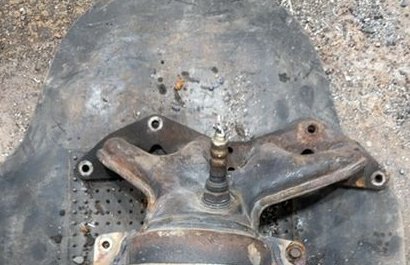
Most people are surprised to learn that the small metal canister under their vehicle could be worth anywhere from $20 to over $800. That's not a typo. Catalytic converter recycling is one of the most misunderstood corners of the scrap metal world — and that confusion costs sellers real money every year. If you're doing scrap metal recycling in Brandon or anywhere across Manitoba, understanding how cats are priced is the difference between accepting a lowball offer and getting what your material is actually worth.
This isn't a simple copper-per-pound calculation. Catalytic converter pricing runs on a completely different logic. Let's break down exactly how the recycling process works, what drives the price swings, and how to make sure you're not leaving cash on the table.
---What Actually Happens When You Recycle a Catalytic Converter
A catalytic converter doesn't get melted down the same way your aluminum rims or copper pipe does. The value isn't in the steel shell — it's in the ceramic or metallic substrate inside, which is coated with platinum group metals (PGMs): platinum, palladium, and rhodium. These three metals are the reason a cat can be worth hundreds of dollars, and they're also the reason pricing is so complicated.
Here's the basic path a converter takes from your vehicle to payment:
- Collection: Converters are pulled from end-of-life vehicles, stored, and sorted by type. Sorting matters — a lot. A diesel cat, a domestic truck cat, and a foreign small-car cat can have wildly different PGM content.
- Assay sampling: Processors take samples of the substrate and test the actual PGM content through a process called fire assay or XRF (X-ray fluorescence) scanning. This is where real value is determined.
- Processing and refining: The substrate is crushed, blended into a bulk lot, and sent to a smelter or refinery that extracts the platinum, palladium, and rhodium.
- Settlement: The refinery pays based on actual recovered metal content, minus processing fees. That settlement price trickles back down the chain to determine what buyers will pay at the yard level.
The catch: by the time you're selling a cat at a local scrap yard, the buyer is estimating PGM content based on the serial number, physical condition, and their database of historical assay results. That estimate determines your offer. Better data means more accurate offers — for both sides.
---Why Catalytic Converter Prices Vary So Much — Even in the Same Week
If you've called around Brandon or across Manitoba looking for the best price on a catalytic converter, you already know the quotes can differ dramatically. There are real, structural reasons for this — it's not just one buyer being greedy.
PGM spot prices move daily. Platinum, palladium, and rhodium trade on global commodity markets. Rhodium alone has swung from under $1,000 USD per troy ounce to over $28,000 in recent years. When these metals move, converter prices follow. A quote you got Monday might not be valid Friday. Always check current rates before you sell — prices fluctuate and what you read today may not reflect what the market pays tomorrow.
Other factors that affect what you'll be offered:
- Make and model of the vehicle: A Toyota Prius converter consistently commands premium prices due to high PGM loading. A domestic four-cylinder from the 1990s? Much lower content, much lower price.
- Converter condition: Cracked, overheated, or tampered substrates reduce recoverable PGM content. Buyers account for that in their offer.
- Aftermarket vs. OEM: Aftermarket replacement cats have far less PGM content than original equipment converters. Selling an aftermarket unit as if it's OEM is a fast way to get a disputed payment — or no payment at all.
- Serial number and grade identification: Buyers with robust databases can look up the serial number and match it to known assay data. If a buyer can't identify your unit, they'll price it conservatively — meaning lower for you.
- Volume: A recycling yard moving one cat a week has less leverage with processors than one moving hundreds. That margin difference trickles down to the seller.
This is exactly why selling through a competitive, transparent platform changes the outcome. Platforms like find the best price for your scrap in Canada put documented inventory in front of multiple vetted buyers — rather than leaving you to guess whether the one yard you called is giving you a fair number.
---How Serial Tracking and Photo Documentation Change the Game
One of the biggest shifts in the catalytic converter market over the last few years is the move toward documented, serialized selling. This isn't just about theft prevention — though that's part of it. It's about price accuracy.
When a converter is documented with a photo, a serial number match, and VIN information tied to the vehicle it came from, buyers can price it with confidence. Confidence means they don't have to pad a lowball offer to protect themselves from uncertainty. That's better for you as the seller.
SMASH's platform uses serial tracking and photo documentation as standard practice. Every unit gets recorded. Buyers see exactly what they're bidding on before they submit a price. The result is more competitive offers — because buyers aren't guessing what's inside the shell. If you're doing any volume of scrap metal recycling in Brandon or sourcing cats from dismantled vehicles in Manitoba, this kind of documentation system is worth understanding.
Compare that to the old way: pull a converter, call one buyer, describe it verbally, accept whatever they say. That's not price discovery — that's a coin flip dressed up as a transaction.
---Copper Scrap Prices in Brandon and How Cat Recycling Fits Into Your Scrap Mix
Most yards and individual sellers aren't moving catalytic converters in isolation. They're handling a mix — copper wire, aluminum extrusions, steel, maybe some non-ferrous odds and ends alongside the cats. Understanding how each material is priced helps you organize your loads and get paid correctly for every category.
Copper scrap prices in Brandon follow LME (London Metal Exchange) copper pricing, adjusted for grade and form. Bare bright copper, #1 copper, #2 copper, and copper breakage all grade differently. Aluminum pricing similarly breaks down by alloy — cast vs. extrusion vs. sheet all trade at different levels. Steel pricing is the most volume-dependent: you need tonnage to make it worth hauling.
Catalytic converters sit outside all of this. They're priced on PGM content, not base metal weight. Mixing them into a general non-ferrous bucket and hoping for the best is a mistake. They need to be identified, sorted, and sold through a channel that can accurately value PGM content — not lumped in with your aluminum rims.
If you want to sell your scrap metal at fair Canadian prices, separating your material categories before you go to market is one of the most straightforward ways to improve your return. It costs nothing and takes twenty minutes.
---Why Selling Scrap Metal Online Gets You Better Price Discovery
The "scrap yard near me open" search is the default move for most people. You find the closest yard, load up the truck, drive over, and take what they offer. For low-value, high-volume steel loads, that approach is often practical. For catalytic converters — or any high-value non-ferrous material — it's leaving money on the table.
When you sell scrap metal online through an auction platform, you're not hoping the one buyer you drove to is having a generous day. You're letting multiple vetted buyers compete for your material. Competition is how markets work. More buyers bidding on the same documented inventory means the price settles closer to actual market value — not whatever that one local yard is willing to offer on a Tuesday afternoon.
SMASH operates exactly this way. Vetted buyers across North America see your listed inventory, submit competitive bids, and you get a clear result. No subscription fees. The platform only wins when you do. For sellers in Brandon or across Manitoba who are moving meaningful volumes of scrap — especially cats — this model makes a real difference.
You can also explore scrap metal selling guides to get a sharper sense of how to prepare your loads, sort your material, and approach buyers with confidence — whether you're selling locally or online.
---Getting the Best Scrap Metal Prices in Manitoba — What You Can Actually Control
You can't control the PGM spot market. You can't control what rhodium does overnight. But there's a lot you can control, and the sellers who consistently get strong returns are the ones who focus on it.
- Sort before you sell. Cats mixed with steel scrap get priced like steel scrap. Keep them separate.
- Document everything. Photos, serial numbers, VIN data if available. Documentation builds buyer confidence and supports better offers.
- Know what you have. A few minutes with a converter database can tell you whether you're holding a $50 unit or a $500 unit. That information matters before you accept an offer.
- Don't sell to one buyer by default. Competition is the mechanism that reveals real market price. One buyer, one call, no competition — that's a guess, not a market.
- Timing matters. PGM prices move. If you have the flexibility to hold inventory when the market is soft and sell when it strengthens, that's a legitimate strategy.
The best scrap metal prices in Manitoba don't come from luck. They come from preparation, documentation, and using the right channel to sell. If you're ready to stop guessing and start selling with real market data behind you, get a fair price for your scrap today and see what a competitive process looks like.
---Frequently Asked Questions
Q: How do I know if my catalytic converter is worth recycling in Brandon?
Almost every catalytic converter from a gasoline-powered vehicle has some PGM content and is worth recycling. The real question is how much — and that depends on the make, model, and condition of the unit. Look up the serial number through a converter database before accepting any offer, especially if you're in Brandon or Manitoba and only have access to one or two local buyers.
Q: Why do catalytic converter prices change so frequently?
Because they're priced on platinum, palladium, and rhodium — metals that trade on global commodity markets and can move significantly week to week. A converter worth $300 today could be worth $250 or $380 a month from now depending on market conditions. Always check current rates before selling. Prices fluctuate and any published number is a reference point, not a guarantee.
Q: Is it legal to sell catalytic converters as scrap in Manitoba?
Yes, but regulations around documentation and identification of catalytic converters have tightened across Canada in recent years due to theft concerns. Legitimate buyers will ask for documentation — vehicle ID, proof of ownership, or VIN information. Reputable platforms and yards follow provincial and federal guidelines. If a buyer asks no questions at all, that's a red flag.
Q: What's the difference between selling cats at a local scrap yard near me versus an online platform?
A local yard gives you one offer from one buyer. An online auction platform puts your documented inventory in front of multiple vetted buyers who compete for it. For high-value material like catalytic converters, that competition can meaningfully affect your final price. The trade-off is preparation time — you need to document your material properly, which is worth it at any real volume.
Q: Does SMASH handle catalytic converter sales in Manitoba?
Yes. SMASH connects sellers across Canada — including Brandon and the broader Manitoba market — with vetted buyers through a competitive auction format. Serial tracking, photo documentation, and VIN lookup are built into the process. There are no subscription fees. The platform earns when you do. Reach out to jeff@smashscrap.com if you're ready to list your material or want to understand how the process works for your specific inventory.
---Catalytic converter recycling rewards sellers who understand the process and refuse to settle for a single uninformed offer. If you're sitting on cats, copper, or mixed non-ferrous in Brandon or anywhere in Manitoba, you don't have to guess what your material is worth. Sell your scrap metal at fair Canadian prices — request a pickup at sell-scrapmetal.ca and find out what a transparent, competitive process actually looks like.
Stay sharp on scrap metal market movements and platform updates — follow SMASH on LinkedIn for industry insights and pricing trends worth knowing.