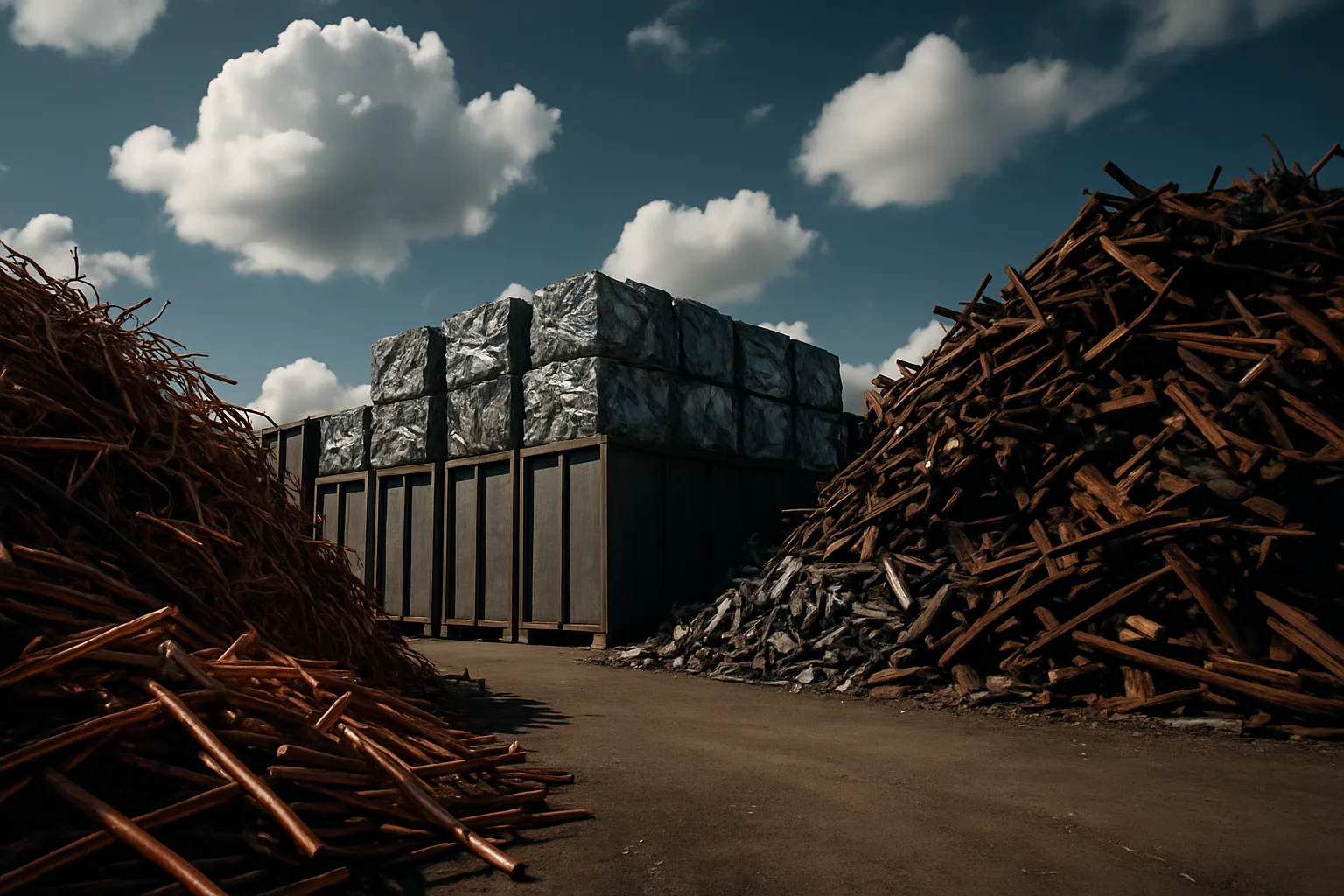
Construction Sites Are Sitting on a Fortune in Scrap Metal — Most Don't Know It
A single mid-sized demolition project can generate tens of thousands of kilograms of recoverable metal. Steel beams, copper wiring, aluminum framing, cast iron pipes — it all adds up fast. Yet most contractors either dump it cheap to the first buyer who calls or let it walk out the door with a sub doing their own side deal. If you're running a construction or demolition site in Laval or anywhere across Quebec, you're likely leaving real money on the table.
This guide breaks down exactly how construction and demolition (C&D) sites generate scrap metal, what metals are worth chasing, and how to sell them at the best scrap metal prices Laval contractors can realistically access — without the guesswork of a single cold call to a yard.
Where the Metal Actually Comes From on a C&D Site
Construction and demolition work generates scrap metal at almost every phase of a project. Understanding where it comes from helps you capture it instead of letting it get buried in a bin or walked off by a subcontractor who knows its value better than you do.
Here's a breakdown of the most common sources:
- Structural steel: Beams, columns, rebar, steel decking, and connections. Commercial and industrial teardowns are especially heavy here. A single floor of a steel-frame building can yield thousands of kilograms.
- Copper wiring and pipe: The most consistently valuable non-ferrous metal on any site. Electrical demolition alone — pulling old wire, conduit, and panel boxes — adds up quickly. Plumbing tearouts often include copper pipe that fetches strong per-kilogram prices.
- Aluminum: Window frames, curtain wall systems, HVAC components, and roofing panels. Newer commercial buildings use aluminum extensively, and even older residential projects produce salvageable quantities.
- Cast iron and black iron pipe: Common in older structures across Quebec, especially anything built pre-1980. Heavy and dense, so even smaller quantities have real weight behind them.
- Stainless steel: Found in commercial kitchens, labs, hospitals, and food processing facilities. High value per kilogram compared to standard steel.
- HVAC equipment: Chillers, air handlers, rooftop units — these contain a mix of copper, aluminum, and steel. They're worth segregating before they go anywhere.
- Electrical motors and transformers: Dense, heavy, and contain copper windings. Don't let these get mixed into general ferrous bins.
The key principle: segregation equals money. The more you keep metals sorted by type, the stronger the price you can command. Mixed loads get penalized at every yard. Clean, separated material gets better offers — especially on a B2B scrap metal marketplace where buyers are bidding competitively.
Why Most Construction Companies Undervalue Their Scrap Metal
The old way of handling site scrap goes like this: one bin company drops a container, hauls it when it's full, and pays you whatever they feel like — or charges you to haul it. You never know if the number is fair because you only ever got one number. That's not a market. That's a guess with someone else's thumb on the scale.
There are a few structural reasons C&D scrap gets undervalued:
- No documentation: If you don't know what you have, you can't price it. A load described as "mixed demo steel" gets treated very differently than a load with itemized weights by metal type and photos of the material.
- Single-buyer relationships: Most site supers or project managers call one yard they've used before. Loyalty sounds professional, but without competition, there's no price discovery.
- Timing pressure: Construction timelines are brutal. When the bin is full and you need it gone, you accept whatever offer shows up — even if it's low.
- Mixed and contaminated loads: Concrete, wood, insulation, and drywall mixed into metal bins reduces value fast. Buyers discount heavily for contamination.
None of these are permanent problems. They're process problems. And process problems have solutions — starting with better scrap metal inventory management before anything leaves the site.
Scrap Metal Inventory Management for C&D Sites
You don't need a sophisticated system. You need a consistent one. Here's what actually works on active construction and demolition sites:
Designate segregated bins from day one. Label them: ferrous (steel, iron), non-ferrous (copper, aluminum, stainless), and mixed/unknown. Anyone on site handling demo material knows where each type goes. This one change alone can significantly improve what you recover per project.
Document before you sell. Take photos of each bin or load before it moves. Note approximate weights, metal types, and any notable items (motors, HVAC units, copper bundles). This isn't bureaucracy — it's leverage. When you present buyers with documented, photographed loads, you attract better offers. Buyers are more confident bidding on material they can evaluate.
Track by project phase. Demolition generates the heaviest material. Rough-in and mechanical phases produce the most non-ferrous. Finish and close-out phases may have smaller volumes but higher-value offcuts. Knowing this helps you batch loads intelligently instead of selling scraps as they trickle out.
Platforms like SMASH support this kind of structured approach. smashrecycling.ca gives contractors and recycling operations tools to document loads, manage inventory, and connect with vetted buyers through a competitive auction format — so your documented material actually gets priced against real market demand, not one yard's internal offer.
What Are C&D Scrap Metals Worth? Getting the Best Scrap Metal Prices in Laval and Quebec
Scrap metal prices move constantly. They're tied to commodity markets, exchange rates, and buyer demand at any given moment. That said, understanding relative value helps you prioritize what to capture and segregate carefully.
Non-ferrous metals consistently outperform ferrous on a per-kilogram basis:
- Copper (bare bright, #1 and #2 grades) ranks among the highest-value metals on any C&D site. Even modest quantities of copper wire or pipe are worth pulling carefully and keeping clean.
- Aluminum — particularly extrusions, clean sheet, and window frames — fetches strong prices, especially when sorted away from painted or coated material.
- Stainless steel runs well above regular steel grades, particularly 304 and 316 alloys from commercial teardowns.
- Ferrous material (rebar, beams, plate, pipe) trades at lower per-kilogram rates, but volume is often high enough on C&D sites to make it a significant revenue stream regardless.
For contractors working in Laval and the greater Montreal region, local yard prices can vary. The practical way to ensure you're getting fair market value isn't to call every yard manually — it's to let buyers compete. That's exactly what a B2B scrap metal marketplace is designed to do. More buyers bidding on your documented load means better price discovery. Competition can help reveal what the market is actually willing to pay.
Disclaimer: All scrap metal prices fluctuate based on commodity markets, grade, condition, and buyer demand. Always check current rates before selling.
If you're also working on projects in Ontario, the same competitive approach applies. Contractors checking scrap metal prices in Ontario today face the same single-buyer trap that plagues the whole industry. Whether you're selling from Laval or looking at scrap metal prices Scarborough, the fix is the same: documented material, multiple vetted buyers, competitive format.
How to Sell C&D Scrap Metal Without Getting Burned
Selling scrap from a construction or demolition project isn't complicated once you build a repeatable process. Here's what the better operators do:
- Segregate early and consistently. Don't wait until a project is done to sort. Sort as demo progresses. It takes less time and protects value.
- Weigh what you can. If you have access to a forklift scale or job site scale, record weights before material moves. This protects you from short-ticketing at the yard.
- Document with photos. Timestamped photos of each load. It takes five minutes and can make a meaningful difference in how buyers respond.
- Don't sell under timeline pressure. Where possible, batch material and sell at scale. Small frequent loads rarely get the best numbers. A consolidated load with clear documentation and competitive bidding behind it does.
- Use a platform that brings buyers to you. Instead of calling yards one by one, list your material through SMASH. Vetted buyers across the market see your load and bid. You don't need to negotiate — you just need competition. You can sell your scrap metal at fair Canadian prices without cold-calling a single yard.
SMASH also handles the back-end paperwork that C&D operations often overlook — auto-invoicing, photo documentation, and load tracking that keeps your records clean. No subscription fees. The model is straightforward: we only win when you sell.
Start Treating Site Scrap Like a Revenue Line, Not a Disposal Problem
The best C&D operators in Quebec and across Canada have already made this mental shift. Scrap metal isn't a nuisance to manage out of the site — it's recoverable revenue sitting in your demo pile. A commercial teardown in Laval that generates significant structural steel, copper wiring, and aluminum framing isn't a disposal challenge. It's an asset waiting to be sold correctly.
The only question is whether you sell it to one buyer who sets their own price, or whether you put documented, segregated material in front of multiple vetted buyers who compete for it. The answer seems obvious once you frame it that way.
If you want to start capturing more value from your next project, get a fair price for your scrap today and see what competitive bidding can do for your load. For more resources on selling construction scrap and navigating metal recycling across Canada, explore scrap metal selling guides built for contractors and site operators like you.
Sell your scrap metal at fair Canadian prices — request a pickup at sell-scrapmetal.ca and let competition do the work for you.
Frequently Asked Questions
Q: What types of scrap metal are most valuable on a construction or demolition site in Laval?
Copper and aluminum consistently rank as the highest-value metals on a per-kilogram basis. On C&D sites, copper wire, copper pipe, aluminum window frames, and HVAC components are worth segregating carefully. Structural steel generates significant revenue through volume even at lower per-kilogram rates.
Q: How do I get the best scrap metal prices in Laval for a large demolition load?
Segregate your metals by type, document each load with photos and approximate weights, and sell through a competitive format rather than calling a single yard. When vetted buyers bid against each other, price discovery improves. Platforms like SMASH connect you with multiple buyers across the market so your material is priced competitively.
Q: Do scrap metal prices in Quebec differ from other provinces like Ontario?
Regional prices can vary based on local buyer demand, transport costs, and market conditions. The best way to ensure you're getting fair market value in any province — whether you're in Laval, Quebec or checking scrap metal prices in Scarborough, Ontario — is to get competing offers. A B2B scrap metal marketplace removes the guesswork of single-buyer quotes.
Q: How should a contractor track scrap metal inventory across a multi-phase project?
Start with designated, labeled bins for ferrous, non-ferrous, and mixed material from day one. Document loads at each project phase with photos and weight estimates. Batch where possible rather than selling small loads. Consistent tracking means you know what you have, can price it accurately, and can present buyers with credible documentation that supports stronger bids.
Q: Is there a minimum load size to sell C&D scrap through a marketplace like SMASH?
Load requirements vary by buyer and platform, but generally, larger and better-documented loads attract the most competitive bidding. That said, consolidating smaller quantities across project phases before listing can help you hit meaningful volumes. Reach out to jeff@smashscrap.com directly if you have questions about selling a specific load.
Follow SMASH on LinkedIn for industry updates and scrap metal market insights that matter to contractors and recyclers across North America: linkedin.com/company/scrap-metal-auction-sales-hub.
```