Why the Way You Sort Your Scrap Determines What You Get Paid
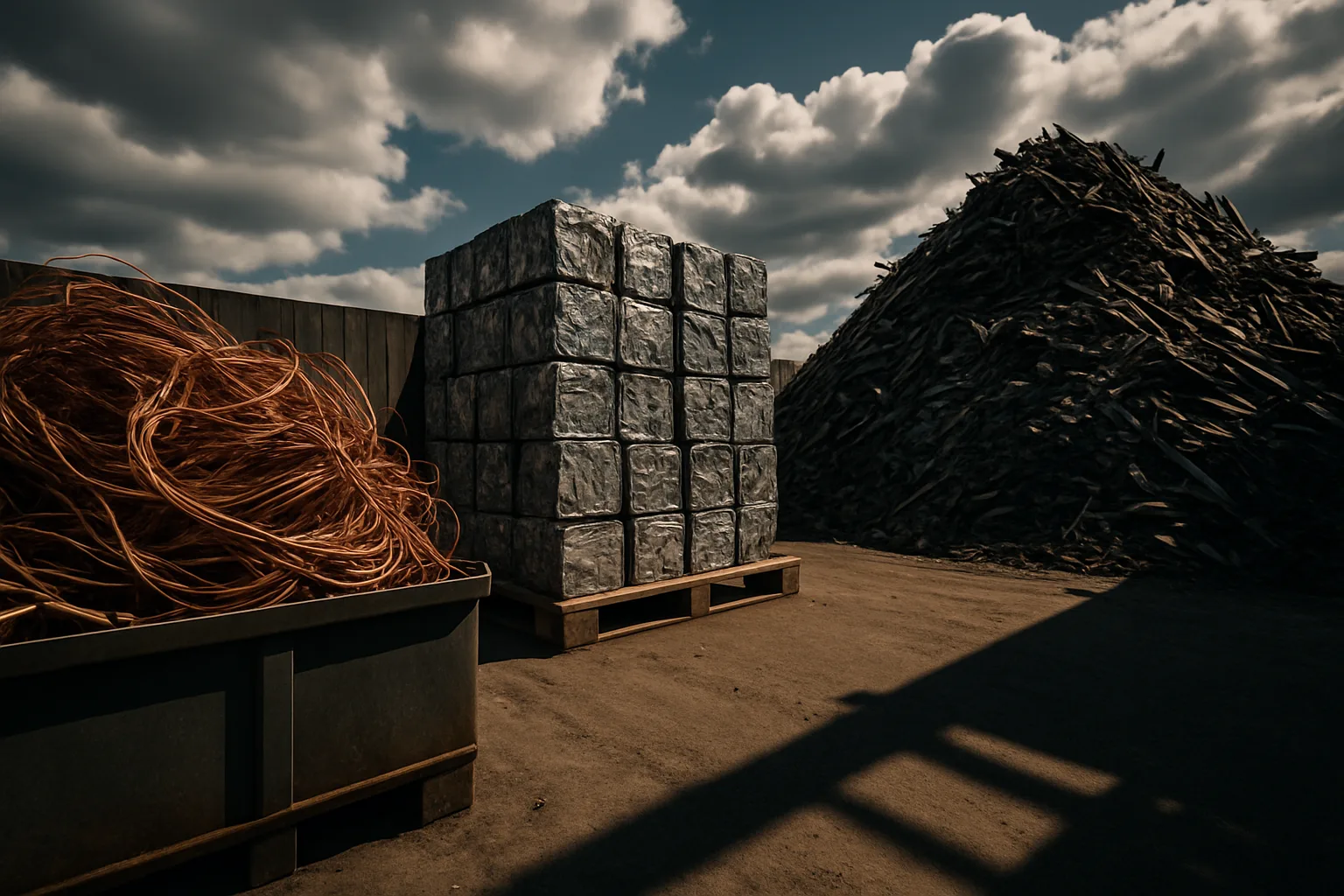
Most people leave money on the table before they ever make a phone call. They haul a mixed load — copper tangled with steel, aluminum mixed with insulated wire, a catalytic converter buried under sheet metal — and wonder why the price feels low. Here's the truth: how you prepare your scrap matters almost as much as what you're selling. If you're trying to sell scrap metal near me Laval, sorted loads almost always command better prices than mixed ones.
This isn't a story about a perfect yard with unlimited space and industrial shears. It's about practical habits that real sellers use to get more value out of every load they move. Whether you're a homeowner clearing out a garage in Laval or a contractor pulling demo material from a Quebec job site, the same principles apply.
The Real Cost of a Mixed Load — and How Sorting Changes the Math
When a buyer looks at a mixed, unsorted load, they don't see opportunity. They see risk and labor. They have to grade it, sort it, weigh it by category — and they'll account for that extra work in what they offer you. The price they quote reflects their worst-case assumption about the material, not your best-case reality.
Sorting your scrap before you sell removes that uncertainty. When a buyer knows exactly what they're bidding on, they can bid more confidently. That confidence shows up in the number they give you. Platforms like get competitive bids for your scrap in Canada are built on this principle — documented, categorized inventory attracts serious buyers who bid on what they can actually verify.
The categories that matter most for most residential and commercial sellers:
- Copper — bare bright, #1, #2, insulated wire (keep these separated from each other)
- Aluminum — cast, sheet, extrusion, cans (each grades differently)
- Steel and iron — clean steel, cast iron, mixed ferrous
- Catalytic converters — always keep cats separate; they sell in a completely different market
- Stainless steel — keep it clean and separate from mild steel
- Brass and bronze — often lumped together but can grade differently
How to Prepare Copper, Aluminum, and Non-Ferrous Metals for Sale
Non-ferrous metals — copper, aluminum, brass, stainless — are where most of the value is. A pound of bare bright copper is worth dramatically more than a pound of insulated wire carrying the same copper content. The insulation isn't just worthless; it actively reduces the price per pound because the buyer factors in stripping cost or yield loss.
For copper, strip insulation off wire when you can do it efficiently. Bare bright copper — clean, uncoated, unalloyed — gets the top grade. Copper pipe with fittings attached grades lower than pipe alone. Take the fittings off. It takes five minutes and can meaningfully change what you're paid per pound. Even in a strong scrap metal prices today environment, the grade spread between bare bright and insulated wire is significant.
For aluminum, separate your material by form. Aluminum extrusions (window frames, door frames, structural profiles) are clean aluminum and grade well. Cast aluminum — engine blocks, transmission cases — grades separately. Painted or dirty sheet aluminum grades lower than clean sheet. A quick wipe-down and removal of steel fasteners before you weigh in can bump your grade. In Laval and across Quebec, aluminum from demolition and renovation work is one of the most commonly sold non-ferrous materials — and one of the most commonly undersorted.
Tips for non-ferrous prep:
- Remove steel bolts, screws, and hardware from aluminum wherever possible
- Keep stainless steel away from mild steel — they look similar but price very differently
- Don't mix brass and copper just because they're both yellow metals
- Keep insulated wire in its own container — don't strip it unless the yield justifies the labor
- Let buyers know if wire is high-grade telecom versus low-grade appliance wire
Catalytic Converter Prep: The Most Valuable Item You Might Be Underselling
Catalytic converters deserve their own section because the pricing mechanics are completely different from other scrap. Cats aren't priced by weight the way copper or aluminum are. They're priced by the platinum group metals (PGMs) inside — platinum, palladium, rhodium — which vary by make, model, and year. A Toyota cat prices differently than a Ford cat. A diesel cat prices differently than a gasoline cat.
If you're selling cats, the single most important thing you can do is identify them properly before you sell. Keep the converter intact — don't crush it, don't cut it open. Know the VIN of the vehicle it came from if you can. Note the serial number stamped on the shell. This information is how buyers determine what's inside, and it's what separates a fair price from a guessed price.
Platforms built around SMASH scrap metal auction processes use serial tracking and photo documentation specifically for catalytic converters — because buyers bid more accurately when they know what they're bidding on. If you're moving volume, documented cats almost always outperform undocumented ones. To sell your scrap metal at fair Canadian prices, documentation isn't a bureaucratic hurdle — it's how you prove value.
Ferrous Prep: Steel and Iron Aren't Just "Junk"
Steel and iron might not carry the per-pound value of copper or cats, but volume matters. A contractor in Laval moving structural steel from a demo job or a homeowner hauling out an old cast iron bathtub — these loads add up. And like non-ferrous, grade and prep still affect what you're paid.
Clean steel — unpainted, uncoated, free of non-ferrous attachments — grades higher than mixed ferrous. A steel beam with copper wiring zip-tied to it gets weighed as mixed metal until someone separates it. Cast iron (engine blocks, radiators, bathtubs) grades as its own category and shouldn't be dumped into a general ferrous pile.
For most sellers, the prep steps for ferrous are simpler:
- Remove obvious non-ferrous material (copper wire, brass fittings, aluminum brackets)
- Separate cast iron from structural steel
- Keep stainless steel completely separate
- Try to keep your load reasonably free of dirt, concrete, and debris — excess contamination gets deducted
Ferrous buyers in Quebec want clean, honest loads. Showing up with a properly sorted ferrous load tells the buyer you know what you have — and that context changes the conversation.
How a Scrap Metal Auction Changes What Sorting Gets You
Here's where the preparation work pays off beyond just individual load pricing. When you move sorted, documented loads through a scrap metal auction format rather than a single phone call to one buyer, competition among buyers does the pricing work. A well-documented load of #1 copper, a separate lot of aluminum extrusions, and an identified catalytic converter can each attract the right specialist buyer — rather than one generalist giving you a blended low number for the whole pile.
SMASH is built for exactly this. Vetted buyers competing on specific lots, photo documentation supporting each listing, and no subscription fees eating into your margin. You only pay when the load sells. That model only works when the seller shows up with clean, sortable material — because that's what buyers can actually bid on with confidence. More buyers means better price discovery. That's not a slogan; it's how competitive markets work.
For sellers in Laval looking to move regular volume — whether that's a route of catalytic converters, a recurring stream of demo aluminum, or bulk non-ferrous — setting up a sorting system on your end makes the auction format dramatically more effective. Explore scrap metal selling guides to build out a process that works for your operation.
Building a Simple Sorting System That Works in Real Life
You don't need a massive yard or a full sorting facility to do this well. Most successful sellers use a simple container system: one bin or tote for each major category. Copper goes here. Aluminum there. Cats in their own marked box. Steel gets stacked separately. When a container fills, that's a lot ready to move.
Label your containers. Keep a basic log of what goes in each one — approximate weight, source, date collected. This takes three minutes per load and gives you everything you need to list on a platform like SMASH. If you're moving cats, photograph the serial number every time. That habit alone can change your pricing outcome over the course of a year.
Quebec has a strong recycling infrastructure, and Laval has solid access to buyers — but access to buyers only matters if you're presenting your material in a way that invites competitive bidding. The sorting work is the foundation. The auction is where it pays off.
If you're ready to put a better system in place and get a fair price for your scrap today, the process starts with knowing what you have and presenting it clearly. SMASH makes the selling side straightforward — but the prep work is yours to do, and it's worth doing right.
Scrap metal prices fluctuate based on market conditions. Always check current rates before selling to make sure your pricing expectations reflect today's market.
Frequently Asked Questions
Q: Where can I sell scrap metal near me in Laval?
Laval has local scrap yards and recycling facilities, but your options don't stop there. Platforms like SMASH connect sellers in Laval and across Quebec with vetted buyers across North America, which means more competition for your load rather than one local offer. Sorting and documenting your material before you sell opens up that wider buyer pool.
Q: Do I need to sort my scrap before selling it?
You're not required to sort, but it almost always pays to do so. Mixed loads give buyers reason to price conservatively because they're accounting for the sorting and grading work they'll have to do. Sorted loads give buyers confidence, and that confidence typically shows up in better offers. Even basic separation — copper from aluminum, cats from ferrous — makes a real difference.
Q: How do I know if scrap metal prices today are good enough to sell now?
Scrap metal prices fluctuate with commodity markets, and timing matters. Check current rates through a scrap buying platform or call local buyers before committing to a sale. A competitive auction format helps here too — if multiple buyers are bidding on your lot, the market tells you in real time what your material is worth right now.
Q: What's the best way to sell catalytic converters for fair value?
Keep cats intact, identify them by serial number or VIN, and photograph them before selling. Don't guess the grade — let documented identification drive the price. A scrap metal auction where buyers can see exactly what you have tends to produce better outcomes than a single verbal quote over the phone.
Q: Is SMASH available for sellers in Quebec?
Yes. SMASH connects scrap sellers across Canada — including sellers in Quebec and Laval — with a network of vetted buyers. Whether you're moving a small load of non-ferrous or a recurring stream of commercial scrap, the platform is built to handle documented lots and competitive bidding for Canadian sellers.
Ready to put your sorted scrap to work? Sell your scrap metal at fair Canadian prices — request a pickup at sell-scrapmetal.ca and find out what a prepared, documented load can actually bring you.
Stay current on scrap metal market trends and selling strategies — follow SMASH on LinkedIn for industry updates and insights worth reading.