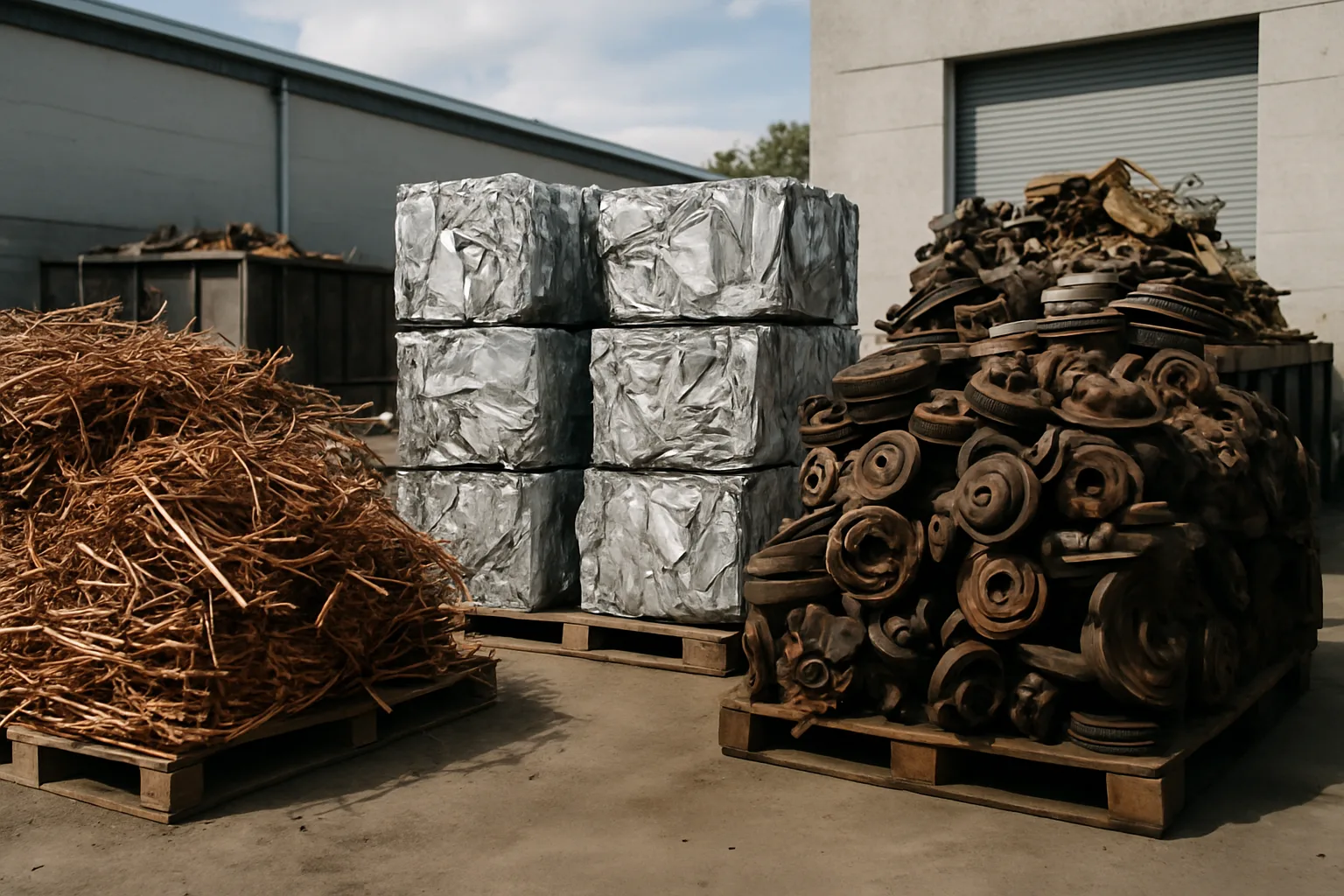
What's Actually Inside Your Junked Radiator or Alternator — and Why It Matters for Scrap Metal Prices Toronto
Most people toss a blown radiator or dead alternator in the corner of the shop and forget about it. That's money sitting on a shelf. Auto parts like radiators, alternators, starters, and copper-wound motors contain recoverable metals — copper, aluminum, brass, and steel — that recyclers actively buy. If you're trying to understand scrap metal prices Toronto and get a fair return on your auto parts, knowing what's inside those parts is step one.
This guide breaks down the most common recyclable auto parts, what metals they contain, how recyclers process them, and how platforms like smashrecycling.ca are changing how sellers get paid for what they pull out of vehicles.
Radiators: More Metal Than You Think
A standard automotive radiator looks like one piece, but it's actually a mix of two or three different metals depending on the vehicle's age and make. Older radiators — pre-2000s — are typically copper and brass. Copper tubes carry the coolant. Brass end tanks hold it all together. These are high-value materials. Copper commands one of the strongest prices on the non-ferrous market, and brass isn't far behind.
Newer vehicles shifted to aluminum-core radiators with plastic end tanks. The aluminum content is still worth pulling, but the plastic tanks get stripped before the aluminum goes to the smelter. Recyclers typically separate these before pricing them out. A clean copper-brass radiator will fetch a notably different rate than an aluminum unit — which is exactly why understanding scrap metal recycling Ontario pricing structures matters before you show up at the yard.
- Copper-brass radiators: High value, sought after for non-ferrous content
- Aluminum radiators: Lower per-pound rate, but still worth recycling
- Prep matters: Remove rubber hoses, plastic tanks, and steel brackets before weighing
- Condition: Crushed or dirty radiators may be downgraded at the scale
Toronto scrap yards process large volumes of auto radiators, particularly from fleet operators, body shops, and auto dismantlers. If you're holding a pile of them, sell your scrap metal at fair Canadian prices through a platform that gets buyers competing for your material — not just whatever the yard feels like offering that day.
Alternators and Starters: The Hidden Copper Inside
Alternators and starters are dense, heavy, and often overlooked as scrap. People see a steel housing and assume low value. The real value is inside. Both parts contain copper windings — tightly coiled copper wire wound around a ferrous core. That copper is what recyclers are after.
An alternator typically runs between 4 and 15 pounds depending on the vehicle. The copper content varies, but it's enough to move the price meaningfully compared to selling straight steel. Recyclers process these one of two ways: either shred and sort the whole unit, or manually strip the copper windings before sending the steel housing to the ferrous pile. Manual stripping is more labour-intensive but typically yields a better return when copper scrap price today is strong.
Starters follow the same logic — copper windings inside a steel case. Armatures, field coils, solenoids — all recoverable. If you're a shop accumulating these parts month over month, the volume adds up fast. Selling them as a single load rather than dropping off one at a time also gives you more leverage when pricing out the material.
Catalytic Converters: A Category on Their Own
No list of recyclable auto parts is complete without catalytic converters. They don't contain copper or aluminum — they contain platinum group metals (PGMs): platinum, palladium, and rhodium. These are some of the most valuable materials in the recycling stream, and prices for them can swing dramatically based on global demand.
The challenge with cats is pricing confidence. Walk into a yard with a box of converters and you're often at the mercy of whoever is behind the counter. That's the old way. A catalytic converter auction model — where vetted buyers bid against each other — is how SMASH approaches the problem. Competition reveals the market. One buyer quoting you a number doesn't.
SMASH uses serial tracking and photo documentation to build converter inventory that buyers can actually evaluate before bidding. That documentation matters. A converter listed with a clear photo, confirmed VIN, and accurate serial number gets more buyer confidence than a converter sold blind. If you're sitting on a volume of cats from a Toronto dismantling operation or a fleet maintenance shop in Ontario, get a fair price for your scrap today — don't leave money on the table with a single-buyer quote.
Other Auto Parts Worth Knowing on Any Scrap Metal Near Me Price List
Radiators, alternators, and cats get most of the attention, but they're not the only auto parts worth recycling. Any shop doing volume work should know what else is worth pulling before a vehicle goes to the crusher.
- Electric motors (power windows, HVAC blowers, wiper motors): Contain copper windings — process the same as alternators
- Copper wire harnesses: One of the cleanest sources of insulated copper in a vehicle — stripped wire commands higher rates
- Aluminum wheels: Cast aluminum, consistent grade, easy to sell — a reliable line item on any scrap metal near me price list
- Stainless steel exhaust components: Mufflers and pipes contain recoverable stainless — often overlooked
- Lead-acid batteries: Lead plates inside are recyclable — most yards accept them separately
- Brass fittings and valves: Found throughout cooling and brake systems — often mixed in with steel and undervalued
The common mistake is mixing materials. Tossing copper wire in with steel, or dropping aluminum wheels into a general metal bin, drags your average price down. Sort by metal type before you sell. It takes extra time upfront, but it pays off at the scale. If you're selling out of Toronto scrap metal services, getting your material properly sorted before listing it puts you in a stronger position with buyers.
How Recyclers Process These Parts — From Yard to Smelter
Understanding what happens after you drop off auto parts helps you make smarter decisions about how you prep and present your material. Recyclers aren't just weighing and writing cheques — there's a processing chain that determines what your scrap is actually worth downstream.
Non-ferrous parts like copper-brass radiators and aluminum wheels go through a grading process. Recyclers check for contamination — dirt, rubber, plastic, oil — and downgrade material that doesn't meet clean specs. Clean copper-brass radiators might be sold directly to a secondary smelter or broker. Aluminum goes through a shredder or baler, then gets sold by grade to aluminum smelters who turn it back into usable alloy.
Ferrous material — steel housings from alternators, cast iron parts — gets baled or shredded and sold to steel mills. The price per pound is lower than non-ferrous, but volume makes up for it in a high-throughput operation. Catalytic converters go through a completely separate refining process — smelted, assayed, and refined to extract PGMs. That refining process is why the auction model matters. The actual PGM value isn't determined until assay, but a competitive bid process using documented inventory gets you closer to true market value than a spot quote.
Platforms like SMASH sit between the seller and that downstream market. No subscription fees. When the material sells, SMASH wins with the seller — that alignment matters when you're trying to explore scrap metal selling guides and figure out which channel actually gets you paid fairly.
Getting the Best Scrap Metal Prices in Toronto Starts with What You Know
Toronto is one of the largest scrap metal markets in Canada. The volume of auto parts moving through dismantlers, body shops, fleet operators, and individual sellers in Ontario every week is substantial. That's a lot of competition — but also a lot of opportunity if you're selling smart.
The sellers who consistently do better at the scale are the ones who sort their material, document what they have, and sell into a competitive market rather than accepting the first number they're given. That's true whether you're selling a single radiator or a pallet of alternators. Knowing the difference between copper-brass and aluminum, understanding that catalytic converters trade on PGM content, and using a platform that puts multiple vetted buyers on your material — that's how you stop guessing and start selling with confidence.
Scrap metal prices Toronto fluctuate with global commodity markets. What copper trades at today in Toronto is tied to LME pricing, currency exchange, and downstream demand from smelters. You can't control the market. But you can control how you sell into it. If you've got auto parts accumulating in the yard, now is a good time to sort, document, and sell. Sell your scrap metal at fair Canadian prices — request a pickup at sell-scrapmetal.ca.
Frequently Asked Questions
Q: What auto parts have the highest scrap metal value in Toronto?
Catalytic converters consistently rank highest due to platinum group metals. Copper-brass radiators and copper-wound alternators and starters follow. Aluminum wheels are a reliable mid-range item. The key is separating non-ferrous material from steel before selling.
Q: How do I find current scrap metal prices in Toronto?
Prices change with commodity markets, so calling local Toronto yards or checking platforms like SMASH gives you a current benchmark. Keep in mind that prices can vary by yard, material grade, and volume. There's no single fixed price — it's a market.
Q: Can I sell catalytic converters directly in Ontario?
Yes. Ontario sellers can sell catalytic converters through licensed recyclers and auction platforms. Using a documented auction process — with photos, serial numbers, and VIN tracking — typically produces better price discovery than a single-buyer spot quote.
Q: Does it matter if my radiator is copper or aluminum for scrap purposes?
Yes, significantly. Copper-brass radiators command a higher per-pound rate than aluminum units. Recyclers grade and price them separately. If you're not sure which type you have, look at the core tubes — copper appears orange-gold, aluminum appears silver-grey.
Q: How does SMASH help Toronto scrap sellers get better prices?
SMASH connects sellers to a network of vetted buyers through a competitive auction format — no subscription fees, no single-buyer guessing games. Documented inventory with photos and serial tracking gives buyers confidence, which supports stronger bids. Competition can help reveal the real market for your material.
Follow SMASH on LinkedIn for scrap metal market insights, industry updates, and selling tips: SMASH on LinkedIn.