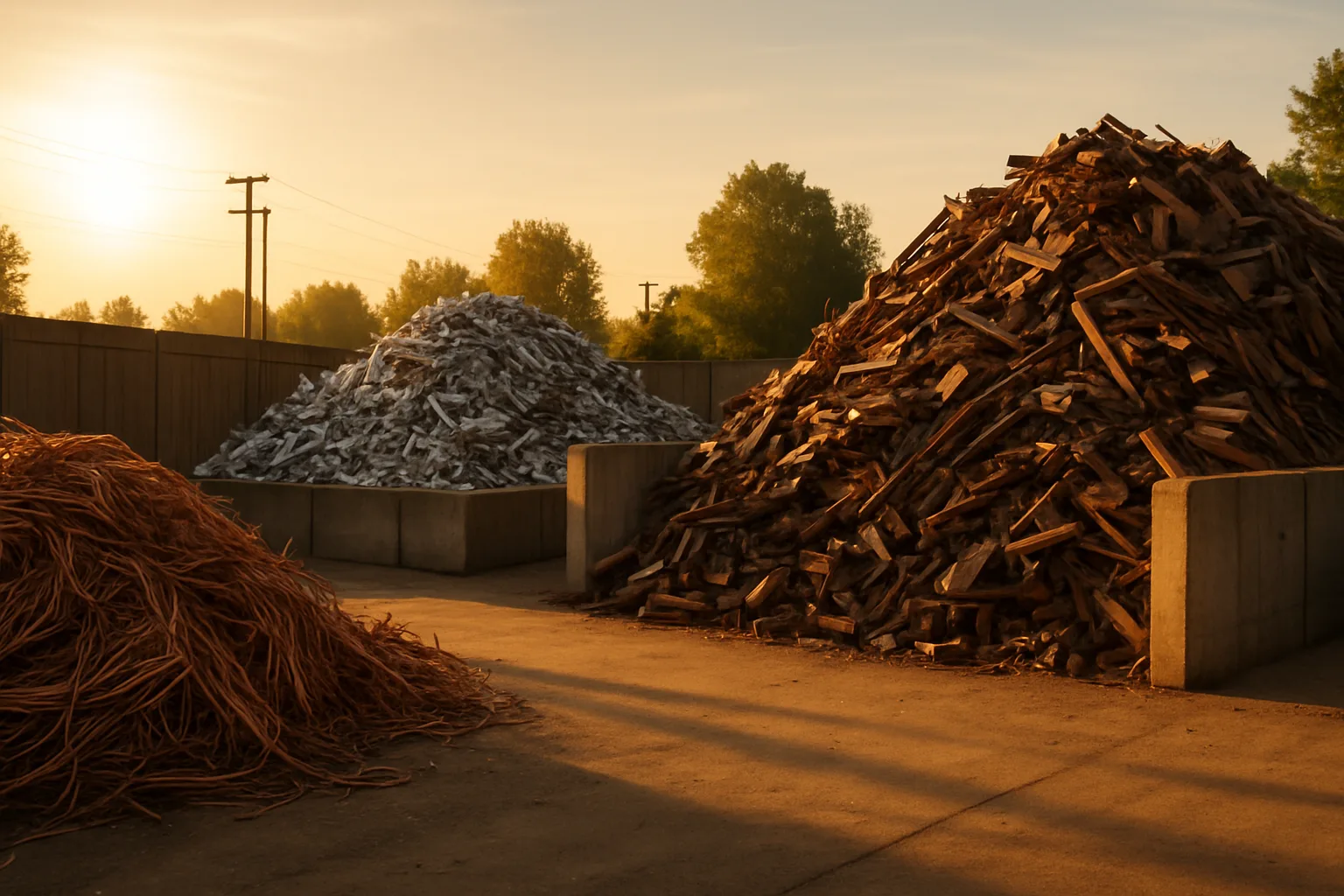
Ferrous vs. Non-Ferrous Scrap Metal: What Every Canadian Seller Needs to Know
Most people hauling scrap to a yard don't know what they're actually sitting on. That's a problem — because ferrous and non-ferrous metals pay out very differently, and confusing the two can cost you real money. If you're looking for the best scrap metal prices Coquitlam has to offer, knowing which category your material falls into is the first step to getting paid fairly.
This isn't complicated. But it does matter. Whether you're clearing out a shop, demolishing a structure, or running a steady stream of loads, understanding the difference between these two metal types changes how you sort, price, and sell your material. Let's break it down properly.
The Core Difference: What Makes a Metal Ferrous or Non-Ferrous?
The word "ferrous" comes from the Latin ferrum, meaning iron. Simple rule: if a metal contains iron, it's ferrous. If it doesn't, it's non-ferrous. That's the entire distinction at the chemistry level.
In practice, this affects everything — weight, value per pound, corrosion resistance, and how buyers price your load. Ferrous metals are magnetic. Grab a magnet from your toolbox and hold it to the piece. Sticks? Ferrous. Doesn't stick? Non-ferrous. That two-second test tells you more than most people realize.
Here's a quick breakdown of where common metals fall:
- Ferrous metals: Steel, iron, cast iron, stainless steel (most grades), carbon steel, wrought iron
- Non-ferrous metals: Copper, aluminum, brass, bronze, lead, zinc, nickel, titanium
- Special category: Catalytic converters — these contain platinum group metals (PGMs) and sit in their own pricing tier entirely
Stainless steel is worth flagging separately. Most stainless is non-magnetic, which confuses people — but it still contains iron and is technically ferrous. It also commands a premium over regular steel because of its nickel and chromium content. Know your grade before you sell.
Why Non-Ferrous Metals Pay More at the Yard
Non-ferrous metals are rarer, harder to produce from raw ore, and more energy-intensive to refine. That scarcity drives value. Copper, for example, is a critical material for electrical infrastructure, EV manufacturing, and telecommunications — demand is not slowing down. Aluminum is lightweight, corrosion-resistant, and infinitely recyclable without quality loss. These properties make non-ferrous materials worth significantly more per pound than steel or iron.
Ferrous metals trade in large volumes at lower per-pound values. A full truckload of steel scrap is worth something — but the math is different than a load of clean copper wire or bare bright. To put it in perspective, steel might move at a fraction of a cent to a few cents per pound depending on grade and market conditions. Copper can be many times that. Aluminum sits somewhere in between, with specific alloys fetching better rates than others.
A few factors that affect non-ferrous pricing specifically:
- Cleanliness: Insulated copper wire pays less than stripped bare bright. Contamination drops the price.
- Grade: #1 copper vs. #2 copper vs. light copper — these are real pricing tiers, not just labels.
- Volume: Larger loads often attract better offers, especially through competitive auction formats.
- Market timing: Non-ferrous prices track commodity markets closely. The same load can pay differently week over week.
If you're in Coquitlam or anywhere across British Columbia pulling mixed loads, sorting your ferrous and non-ferrous before you show up at the yard — or before you list — is one of the simplest ways to improve your return. Mixed loads get priced at the lowest common denominator.
Ferrous Scrap: Lower Price Per Pound, But Volume Adds Up
Don't write off ferrous. The economics are different, but ferrous scrap moves in high volumes and the math can still work in your favour if you're running consistent loads. Steel is the backbone of manufacturing, construction, and infrastructure — recycled steel feeds electric arc furnaces across North America and reduces the need to mine new ore.
Common ferrous scrap sources include:
- Structural steel from demolition and construction sites
- Old vehicles (body panels, frames, engine blocks)
- Farm equipment and machinery
- Appliances — washers, dryers, refrigerators (after CFC removal)
- Pipes and rebar from renovation jobs
- Cast iron from old radiators, cookware, and industrial parts
For operations running bulk ferrous loads — think Edmonton yards moving heavy industrial scrap, or Windsor facilities handling auto-sector steel — the scale justifies the lower unit price. In a B2B scrap metal marketplace, ferrous loads are often bundled and bid on competitively, which can recover better value than a single phone call to one buyer.
Platforms like SMASH are built for exactly that. Instead of accepting whatever one buyer offers, you put your load in front of vetted buyers who compete. That competition is how you find real market price — not a number one yard decided on your behalf.
Non-Ferrous Metals Worth Sorting Out Before You Sell
If you've got non-ferrous mixed into a general scrap load, pull it out. Always. The price difference justifies the extra ten minutes of sorting every time. Here's what to watch for:
Copper
The most valuable common scrap metal in most Canadian yards. Comes in multiple grades — bare bright (stripped, clean wire), #1 copper (clean pipe and tubing), #2 copper (slightly oxidized or soldered), and light copper (thin gauge or contaminated). Each grade has its own price. If you're selling scrap copper in Canada, knowing your grade before the conversation starts puts you in a stronger position.
Aluminum
Lighter than copper but still valuable, especially in larger volumes. Aluminum cans, extrusions, sheet aluminum, cast aluminum, and wheels are all different grades. Cast aluminum from engine components pays differently than clean extrusion. Scrap aluminum is a major category for both residential and commercial sellers — HVAC contractors, auto shops, and fabricators often accumulate significant aluminum volumes.
Brass and Bronze
Often overlooked. Old fittings, valves, plumbing fixtures, and decorative hardware can contain significant brass. It's a copper-zinc alloy that commands a solid price. Don't let it disappear into a mixed bin.
Catalytic Converters
These deserve a category of their own. A catalytic converter contains platinum, palladium, and rhodium — metals that trade at prices far above anything else in the scrap yard. If you're selling cats, you need a catalytic converter buyer who prices based on assay data, not guesswork. The variance between a fair price and a lowball offer on cats is significant. VIN lookup and serial tracking — features SMASH uses — matter here because they tie the unit to documented vehicle data and help establish legitimate value. Selling cats without documentation leaves money on the table and creates compliance exposure.
For sellers across British Columbia — from Coquitlam operations clearing vehicle inventory to auto recyclers further north — the cat market requires transparency and competitive pricing to get fair value. This is exactly where a B2B scrap metal marketplace earns its keep.
How to Get the Best Scrap Metal Prices in Coquitlam (and Beyond)
Coquitlam sits in the heart of Metro Vancouver's industrial corridor. Access to multiple buyers, proximity to port infrastructure, and a dense base of construction and manufacturing activity means there's real competition for good scrap loads in this market. That competition works in your favour — if you know how to access it.
The old approach: call one yard, take their number, load the truck. The problem with that approach is you never know if that number reflects the actual market. One buyer has no incentive to offer more than they have to.
The better approach: document your load properly, know what you have (ferrous vs. non-ferrous, grade, weight), and put it in front of multiple vetted buyers simultaneously. That's what find the best price for your scrap in Canada is built to do. More buyers means better price discovery — it's not complicated, but it is different from how most people sell scrap today.
Photo documentation, accurate inventory listings, and competitive bidding create the conditions for a fair transaction. Buyers who know what they're bidding on bid more confidently. That confidence often shows up in the final number.
Whether you're selling out of Coquitlam, running loads from Edmonton, or sourcing from Windsor auto facilities, the principle is the same: documented loads in competitive markets return better value. If you want to sell your scrap metal at fair Canadian prices, the process matters as much as the material.
For anyone newer to this — or making the jump from informal selling to running it properly — take time to explore scrap metal selling guides that walk through sorting, grading, and documentation before your first serious load goes out.
And if you're ready to stop guessing what your material is worth, you can get a fair price for your scrap today through a process built around competition and transparency — not one buyer's number.
Disclaimer: Scrap metal prices fluctuate based on commodity markets, grade, volume, and regional demand. Always check current rates before selling.
Frequently Asked Questions
Q: How do I find the best scrap metal prices in Coquitlam?
The fastest way is to know exactly what you have — sorted by type and grade — and put it in front of multiple buyers at once. Single-buyer quotes don't reflect true market value. Competitive auction platforms that serve the Coquitlam and Metro Vancouver market give you a real benchmark for what your material is worth right now.
Q: Is aluminum worth selling as scrap metal in Canada?
Yes, absolutely. Scrap aluminum is one of the most consistently traded non-ferrous metals in Canada. It's worth significantly more per pound than steel, and it's found in common items like window frames, HVAC components, engine parts, and vehicle wheels. Sort it separately from ferrous material before you sell — mixed loads reduce your return.
Q: What's the difference in value between ferrous and non-ferrous scrap?
Non-ferrous metals — copper, aluminum, brass, and catalytic converter metals — generally pay far more per pound than ferrous metals like steel and iron. The exact difference depends on grade and current market conditions, but non-ferrous is consistently the higher-value category. Sorting before you sell is one of the simplest ways to improve your payout.
Q: How does SMASH help me get a better price for my scrap metal?
SMASH puts your documented load in front of vetted buyers who compete against each other. That competition is what drives price discovery — you're not taking one buyer's word for what your material is worth. Features like photo documentation, VIN lookup for catalytic converters, and serial tracking help buyers bid with confidence, which tends to improve offers.
Q: Where can I sell scrap metal in British Columbia and get a fair price?
If you're in British Columbia — including the Coquitlam area — you can list your material through a platform like SMASH, which connects Canadian sellers with vetted buyers across North America. The process handles inventory documentation, competitive bidding, and invoicing, so you're not starting from scratch every time you have a load ready to move.
Ready to stop taking the first number you're offered? Sell your scrap metal at fair Canadian prices — request a pickup or list your load at sell-scrapmetal.ca.
Follow SMASH on LinkedIn for scrap metal market updates, industry insights, and tips on getting more from every load you sell.
```