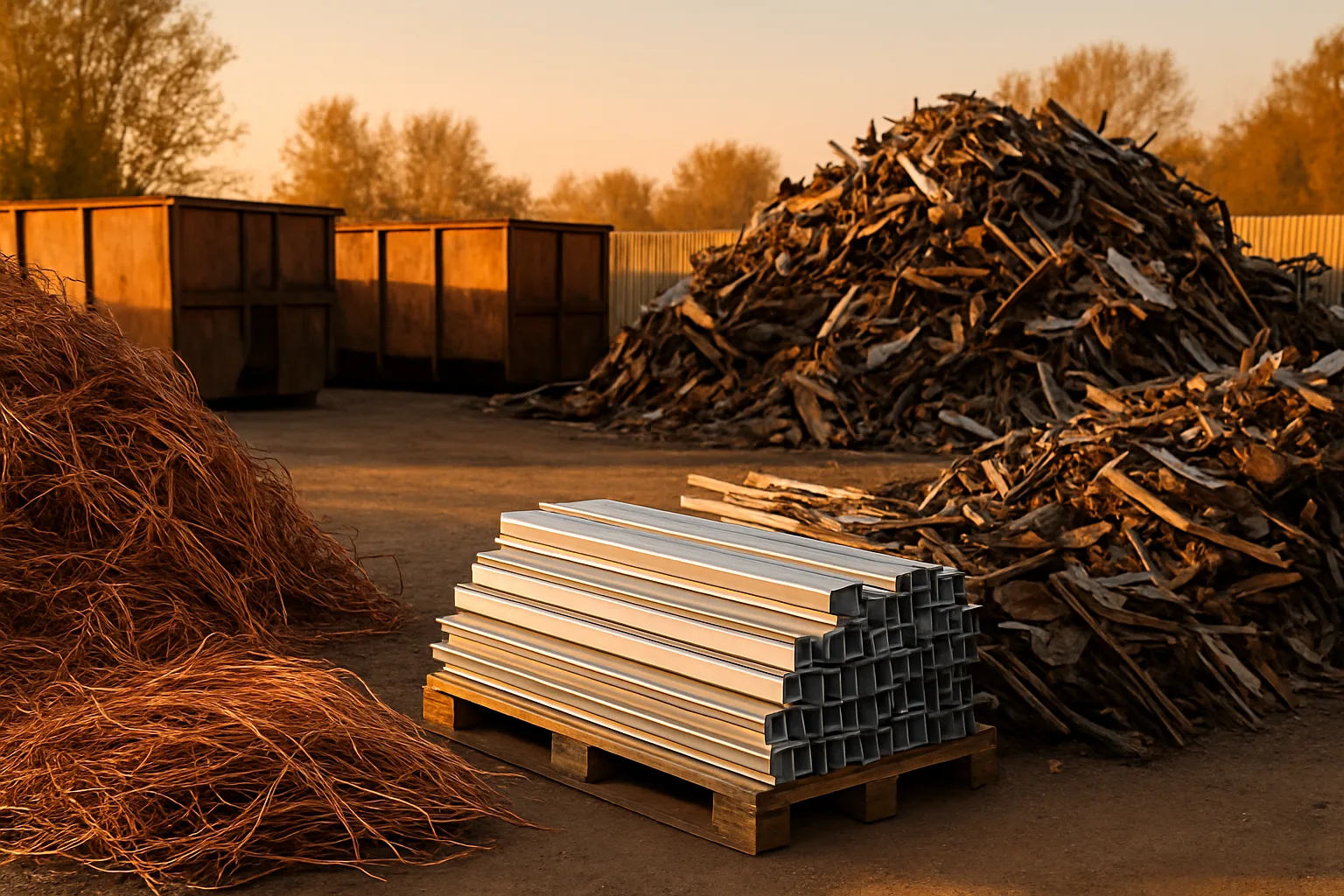
Copper is the one scrap metal that almost every seller undervalues — until they learn to grade it properly. A bundle of mixed wire sitting in your yard might look like one thing. To a buyer, it's three or four different grades, each with a different price. If you don't know the difference, you leave money on the table every single time. Whether you're a contractor clearing a job site, a yard operator in Fort McMurray, or a first-time seller trying to figure out what your pile is worth, this guide breaks down copper grading and what's moving the market in August 2026.
If you've been searching for ways to sell your scrap metal at fair Canadian prices, understanding copper grades is the single fastest way to increase what you walk away with.
---Why Copper Prices Are Worth Watching Right Now
Copper doesn't sit still. It reacts to manufacturing data, energy sector activity, housing starts, and global supply chain shifts faster than almost any other base metal. In Alberta specifically, the oil and gas sector drives a significant volume of copper scrap — from electrical components, instrumentation wire, transformers, and motor windings pulled from aging infrastructure. Fort McMurray and the surrounding oilsands region generates a steady stream of industrial copper that moves through yards regularly.
As of mid-August 2026, copper markets continue to reflect tightening global supply against persistent demand from EV production, grid infrastructure expansion, and North American reshoring of manufacturing. That backdrop keeps pressure on prices — but how much of that upstream value actually reaches you as a seller depends heavily on how your material is graded and who you're selling to.
For current scrap metal prices today, always verify with your local yard or a live pricing platform before you load the truck. Prices shift weekly — sometimes daily. A price you saw two weeks ago may not reflect what's being offered right now.
Disclaimer: Scrap metal prices fluctuate based on commodity markets, regional demand, and material grade. All price references in this article are general market context only. Always confirm current rates directly with a buyer before selling.---
Copper Grading: The Difference Between Getting Paid and Getting Shortchanged
Copper is graded by purity, cleanliness, and form. Buyers apply these grades consistently across the industry — though names can vary slightly by region. Here's what sellers in Alberta need to know before they show up at a yard or post a load to a scrap metal auction.
#1 Bare Bright Copper
This is the top grade. It's uncoated, unalloyed copper wire — at least 16 gauge — with no insulation, solder, paint, or oxidation. Think freshly stripped electrical wire that's clean and shiny. It commands the highest price per pound because it requires minimal processing. If you're stripping wire for this grade, make sure it's actually clean. Partial insulation, oxidation, or mixed gauges will knock it down immediately.
#1 Copper
Uncoated copper pipe, tubing, and bus bars with no fittings, solder, or excessive oxidation. Plumbing copper from renovation jobs often falls here. It's slightly below Bare Bright but still a strong-value grade. Clean it up — remove fittings, cut off soldered ends, and separate it from other metals before you bring it in.
#2 Copper
This is where most sellers end up. #2 copper includes pipe or wire with some oxidation, light coating, paint, or minor contamination. It's still solid material, but it requires more processing on the buyer's end — and that cost comes off your price. If you can clean your #2 up to #1 spec, even partially, it's usually worth the effort.
Insulated Copper Wire (ICW)
Wire still in its insulation — romex, extension cords, THHN, service entrance cable. This is priced based on the estimated copper recovery percentage, which varies by wire type and gauge. Heavy gauge with thick insulation yields less copper per pound than thin-coated wire. Buyers typically apply a recovery factor and price accordingly. Know what you have before you accept a quote.
Copper Alloys: Brass and Bronze
Brass (copper-zinc) and bronze (copper-tin) are common in plumbing fittings, valves, and industrial components. They're not priced as copper — they have their own market. Don't mix them with your clean copper. Keep them sorted and weighed separately for the best return.
---How Grading Affects What You Get Paid: A Real-World Example
Say you have 100 pounds of mixed copper from a renovation job in Fort McMurray. It's a combination of clean pipe, some soldered fittings, a coil of romex still in insulation, and a bundle of stripped wire. If you dump it all in one pile and call it "copper," a buyer will grade the whole load to the lowest common denominator — which means you get #2 or ICW pricing on everything, including your clean pipe that was worth #1 money.
Sort it yourself. Spend 20 minutes separating your bare bright, your clean pipe, your insulated wire, and your fittings into separate containers. That sorting effort can translate directly into a higher payout. Documented, sorted loads also perform better in a SMASH scrap metal auction, because vetted buyers can see exactly what they're bidding on — no guessing, no automatic downgrade.
Platforms like Canada's B2B scrap recycling marketplace allow sellers to document loads with photos and grade descriptions, giving buyers the confidence to bid more aggressively. That's the difference between one buyer making a lowball offer over the phone and multiple buyers competing for your sorted, documented load.
---Selling Scrap Copper in Fort McMurray and Northern Alberta
Fort McMurray sellers deal with a specific reality that most southern yard guides don't address: you're not always close to a dense network of recycling yards. Industrial volume is high — the oilsands and associated infrastructure generate significant copper scrap — but the options for selling it locally can feel limited if you're relying on walk-in yard visits alone.
That's where scrap metal auction platforms change the equation. Instead of calling one buyer who knows you don't have a lot of local alternatives, you post your sorted, documented load and let multiple vetted buyers compete for it. The geography doesn't matter to the buyer — the grade and documentation do. Fort McMurray sellers with clean, well-documented copper loads have real options in 2026 that didn't exist a decade ago.
For sellers further south — whether you're looking to sell scrap metal Edmonton or operate across Alberta — the same grading principles apply. Clean, sorted, documented copper moves faster and at better prices. Whether you're dealing with 50 pounds or 5,000 pounds, grade discipline pays off.
Sellers in Ontario markets like Hamilton face similar dynamics. If you want to sell scrap metal Hamilton, copper grading knowledge still drives better outcomes — more so when you're bringing loads to a competitive auction environment rather than taking a single posted price.
---What Buyers Look For When They Bid on Copper
Understanding the buyer's perspective makes you a better seller. When a buyer evaluates a copper load — whether in person at a yard or through a digital auction — they're running a quick mental calculation:
- Processing cost: How much work does it take to get this copper ready for the smelter?
- Recovery rate: What percentage of the weight submitted is actually recoverable copper?
- Market exposure: What is copper trading at, and what's their margin to work with?
- Logistics: Where is the load, how much does it weigh, and what's the freight cost?
Every dollar they spend on processing, uncertainty, or logistics comes off what they offer you. Minimize their uncertainty — with sorting, photos, accurate weight estimates, and honest grade descriptions — and you minimize the buffer they build into their bid. SMASH is built around this logic. Documented inventory with photo documentation and serial tracking gives buyers confidence. More confident buyers bid higher.
When you're ready to get a fair price for your scrap today, that documentation work you put in upfront is what drives real price discovery — not guessing, not cold calls, not taking whatever one buyer decides to offer.
---How to Maximize Your Copper Scrap Payout This Week
Whether you're sitting on a fresh industrial pull in Fort McMurray or clearing a renovation job anywhere in Alberta, here's the practical checklist before you sell:
- Sort by grade. Separate bare bright, #1, #2, insulated wire, and brass/bronze into distinct piles.
- Clean what you can. Strip insulation. Remove fittings and solder. Clear oxidation if practical.
- Weigh it. Even a rough weight estimate helps buyers quote accurately and builds credibility.
- Document it. Photos of sorted piles with a visible weight ticket or estimate are worth more than vague descriptions.
- Check current prices. Verify live rates before you accept any offer. Use a live platform or call multiple buyers.
- Get competitive bids. One quote is not a market. Multiple buyers competing for your load is a market.
If you want to go deeper on the mechanics of selling scrap in Canada, explore scrap metal selling guides covering everything from aluminum grades to catalytic converter pricing.
The market is active. Copper demand is real. Don't let poor grading or a single-buyer negotiation leave money sitting on the table. Sort it, document it, and put it in front of vetted buyers who are actually competing for it. That's how sellers in Fort McMurray and across Alberta get fair value for their scrap copper in 2026.
---Frequently Asked Questions
Q: How do I find a place to sell scrap metal near me in Fort McMurray?
Start with local yards that accept industrial and residential scrap. For larger or documented loads, platforms like SMASH connect Fort McMurray sellers with vetted buyers across Canada without requiring you to physically haul material before knowing your price. Always confirm accepted grades and current pricing before you bring a load in.
Q: What are scrap metal prices today for copper in Alberta?
Copper prices shift based on global commodity markets, grade, and regional demand. There's no single fixed rate — a #1 copper load fetches significantly more per pound than insulated wire. Check a live pricing platform or contact buyers directly for current Alberta rates. Prices as of mid-August 2026 reflect continued global copper demand, but verify before you sell.
Q: What's the difference between #1 and #2 copper scrap?
#1 copper is clean, uncoated pipe or tubing with no solder or fittings. #2 copper has some oxidation, light coating, or minor contamination. The price gap between them is real — cleaning up your #2 material to #1 spec, where possible, directly increases your payout.
Q: Can I sell copper scrap through a scrap metal auction in Canada?
Yes. SMASH operates a B2B scrap metal auction platform that connects sellers with vetted buyers across North America. Documented, sorted loads — including copper — can be listed with photos and grade details, creating competition among buyers rather than relying on a single quote. Visit smashrecycling.ca to learn more.
Q: Is it worth stripping copper wire before selling it?
It depends on the wire type and your time. Heavy insulation on low-recovery wire may not justify the stripping labour. Thin-coated or high-gauge wire with high copper content is often worth stripping to bare bright spec. Run the math on your specific wire type — or ask a buyer what the ICW recovery rate is before you decide.
---Ready to stop guessing what your copper is worth? Sell your scrap metal at fair Canadian prices — request a pickup or listing at sell-scrapmetal.ca and let vetted buyers compete for your load.
Stay current on copper markets and scrap metal pricing trends — follow SMASH on LinkedIn for weekly industry updates, market insights, and scrap metal news from across North America.