Most small-scale scrap collectors leave money on the table — not because they're working with bad material, but because they're working with bad information. The difference between a mediocre haul and a strong payday often comes down to a few habits: how you sort, when you sell, and where you sell it.
If you're picking up loads around Calgary or working the back roads of Alberta, this is for you. Here's how to tighten up your operation and get more out of every trip to the yard.
Know What You're Holding Before You Sell
This sounds obvious. It isn't. Plenty of collectors dump mixed loads and let the yard sort it — which means the yard profits from the difference. Taking 30 minutes to identify what you've actually got before you show up changes the conversation entirely.
The broad categories matter:
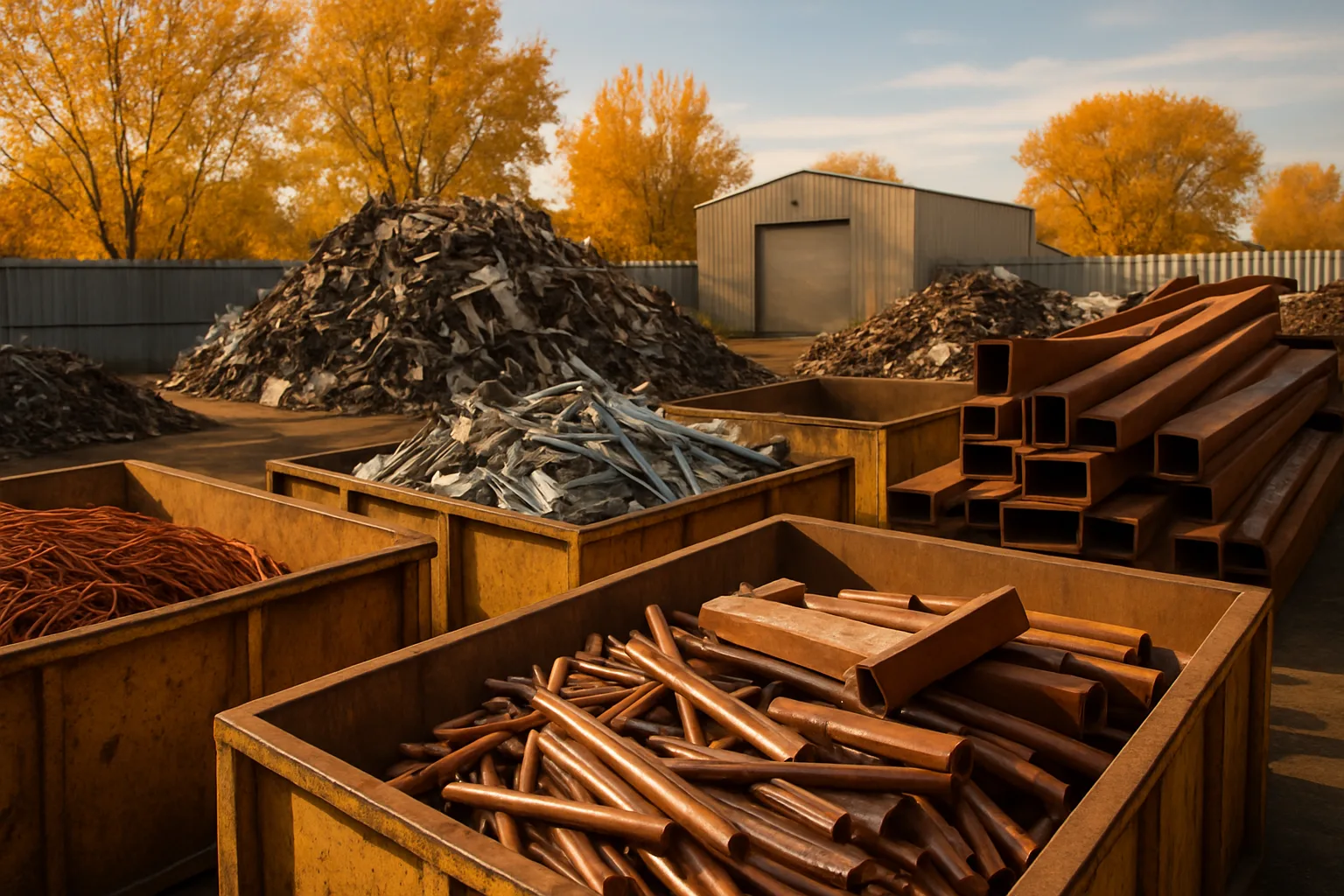
- Copper — bare bright, #1, #2, insulated wire, and copper/brass radiators all price differently. Know which is which.
- Aluminum — extrusion, cast, sheet, wheels, and cans are not interchangeable. Cast aluminum pays less than clean extrusion.
- Steel and iron — structural steel, light iron, and shredder feed all move at different rates. Don't let a mixed pile average down your better material.
- Catalytic converters — cats are their own world. Grade matters enormously. A domestic cat and a foreign cat are not the same load.
- Stainless steel — it doesn't stick to a magnet. If you're not testing it, you're missing it.
Keep a magnet and a basic guide to metal identification in your truck. It's not complicated once you've done it a few times. The goal is to show up knowing exactly what's in your load — not guessing. Platforms like sell your scrap metal on SMASH Recycling are built around documented, identified inventory for exactly this reason.
Sort Your Material — Every Load, Every Time
Sorting is the single highest-return activity a small collector can do. Mixed loads get priced at the lowest common denominator. Clean, sorted, identified loads get priced for what they actually are.
Build a simple yard system at your shop or storage space:
- Keep containers or bins labeled by category — copper wire, aluminum wheels, light iron, stainless, cats.
- Strip wire before it piles up. Insulated copper moves for far less than bare wire. The labour is worth it at volume.
- Separate your cats immediately. Don't mix them into a general pile. Serial tracking and photo documentation matters for cats — both for your records and for the buyer.
- Weigh loads yourself if you can. Know what you're bringing in so you can cross-reference the yard's scale ticket.
Collectors who sort consistently move faster at the yard and have cleaner data when selling through a B2B scrap metal marketplace. Buyers pay more when they know exactly what they're getting. That's not a theory — it's how purchasing decisions get made.
Stop Guessing at the Price
One of the oldest problems in the scrap business: you call one yard, take their number, and drive over. That number may or may not reflect the actual market. You have no way of knowing.
Prices for copper, aluminum, and catalytic converters shift based on global commodity markets, local demand, and what a specific yard needs that week. A single phone call gives you one data point. That's not a market — that's a guess dressed up as information.
The fix is competition. When multiple buyers see your load and bid on it, you get price discovery instead of price acceptance. A scrap metal auction platform creates that competition by design. More buyers bidding means the number you walk away with reflects what your material is actually worth — not what one buyer decided to offer that morning.
If you're in the Calgary area and still relying on a single relationship to move your loads, you're leaving real dollars on the table. The market is bigger than one yard's posted rate. To sell your scrap metal at fair Canadian prices, you need more than one buyer at the table.
Time Your Sales When the Market Supports It
Scrap metal prices are not fixed. They follow commodity markets — copper tracks closely with LME prices, aluminum moves with global production and demand, and catalytic converter prices are tied to the platinum group metals (PGM) market. None of these are static.
You don't need to be a commodities trader to benefit from timing. A few practical habits help:
- Watch for price spikes. When copper runs up, hold if you can afford to. A few cents per pound across a large volume load adds up fast.
- Don't hold too long. Storage costs money — space, risk, and time. There's a point where waiting for a better price costs more than the potential gain.
- Sell cats separately from ferrous loads. Don't let a rushed ferrous sale drag a valuable cat load along with it at a discounted rate.
- Track your own sales history. Keep a simple log — what you sold, when, at what price. Patterns emerge over months and you'll start to see where your timing is working against you.
Disclaimer: Scrap metal prices fluctuate daily based on commodity markets and regional demand. Always check current rates before selling.
Build Documentation Into Your Routine
Documentation is not just a regulatory requirement — it's a competitive advantage. Collectors who photograph loads, track serial numbers on cats, and maintain accurate inventory records sell faster and with less friction.
Here's what good documentation looks like in practice:
- Photos of each load before it moves — weight, material type, condition.
- VIN lookups and serial tracking for catalytic converters. This protects you legally and gives buyers confidence in the material.
- BOLs and packing lists on any load that moves by freight. If something goes sideways, paperwork protects you.
- Records of what you paid for material (if buying to resell) versus what you received at sale. This is your margin data.
When you move to a B2B scrap metal marketplace, documented inventory is table stakes. Buyers bid with more confidence when the load is photographed and described accurately. That confidence shows up in your price. You can explore scrap metal selling guides to get a better sense of how documentation affects buyer behaviour and final pricing.
Sell Smarter With the Right Platform — Calgary Scrap Collectors Take Note
If you're a small-scale collector in Alberta, you're operating in a market with serious buyers — recycling yards, processors, and industrial purchasers who need consistent material. The question is whether those buyers can find you and compete for your loads.
Traditional selling — one call, one yard, one price — keeps you locked into a relationship that benefits the buyer more than you. A vetted scrap metal auction platform like SMASH flips that dynamic. Your load goes to multiple qualified buyers. They compete. You see actual market pricing instead of one yard's margin-protected offer.
SMASH doesn't charge subscription fees. The platform wins when you win — and only then. For collectors in Calgary building volume and looking to professionalize their operation, Calgary scrap metal services through a platform built for serious sellers is a real upgrade from cold calls and guesswork.
Whether you're moving copper wire, aluminum loads, or a mix of cats and cores, the goal is the same: get your material in front of more buyers with better information. That's how small collectors grow into real businesses. If you're ready to make that shift, get a fair price for your scrap today and stop leaving money at the gate.
Frequently Asked Questions
Q: What is a B2B scrap metal marketplace and how does it help small collectors?
A B2B scrap metal marketplace is a platform where sellers list scrap inventory and vetted buyers compete for it through an auction format. For small collectors, it replaces the single-buyer model with real competition — which leads to better price discovery. Instead of taking whatever one yard offers, you see what multiple buyers will actually pay for your material.
Q: How do I sell scrap copper in Calgary and get a fair price?
Start by correctly identifying and sorting your copper — bare bright, #1, #2, and insulated wire all have different values. Photograph your load, note the approximate weight, and use a platform like SMASH to put it in front of multiple buyers at once. Selling through a competitive auction process gives you a better read on market value than a single yard's posted rate.
Q: Is scrap metal recycling in Alberta regulated for small collectors?
Yes. Alberta has regulations around scrap metal transactions, particularly for catalytic converters and other high-value materials. Collectors are generally required to keep records of purchases and sales, including identification and serial numbers for cats. Staying documented protects you legally and makes it easier to sell through vetted platforms that require clean paperwork.
Q: When is the best time to sell scrap metal for the highest price?
There's no guaranteed "best" time, but copper and aluminum prices track global commodity markets that fluctuate regularly. Monitoring LME copper and aluminum prices gives you a rough signal on direction. Avoid rushing sales on down days if you can afford short-term storage — but don't hold so long that storage costs eat your margin.
Q: Do I need a business account to use a scrap metal auction platform like SMASH?
Not necessarily. SMASH works with individual collectors and businesses alike. The key requirement is that you can document your material accurately — photos, weights, and for cats, serial tracking. If you're selling regularly and moving real volume, setting up as a business makes the process smoother and gives buyers more confidence in your loads.
Follow SMASH on LinkedIn for scrap metal market updates, price insights, and practical tips for sellers across Canada.