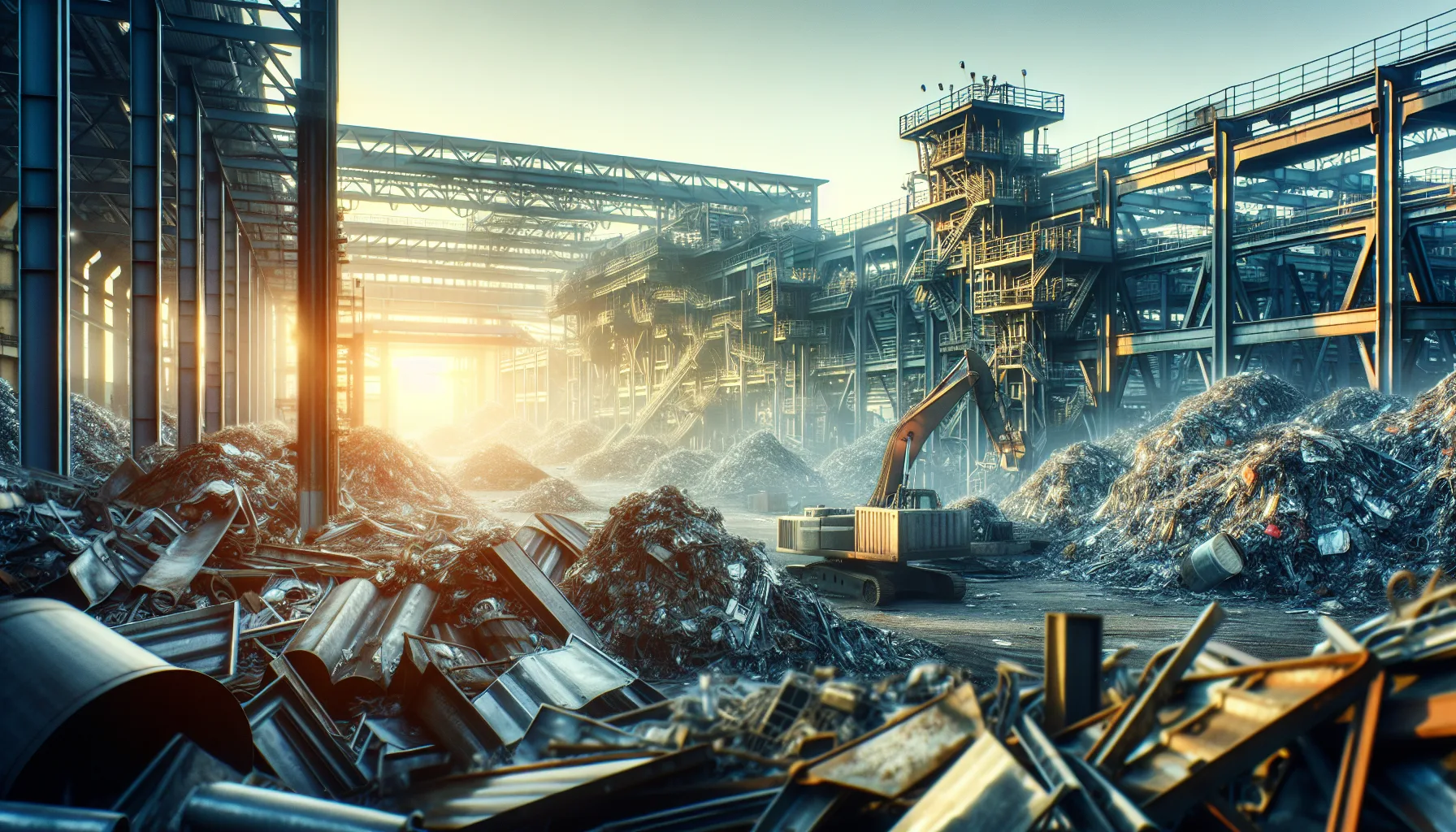
The automotive recycling industry processes millions of vehicles annually across Canada, with metal recovery being the most profitable component. Auto parts contain aluminum, copper, steel, and other valuable metals that maintain strong market demand in 2026. Understanding which components hold the highest value helps you maximize returns when you sell your scrap metal at fair Canadian prices.
Sudbury's position as a major mining and industrial center creates robust demand for recycled metals. Local scrap dealers and platforms like SMASH connect sellers with competitive buyers throughout Ontario, ensuring you receive fair market value for your automotive scrap metal.
High-Value Auto Parts for Scrap Metal Recovery
Radiators top the list of valuable automotive components for metal recycling. These cooling systems contain substantial amounts of aluminum and copper, making them highly sought after by scrap metal buyers. A typical car radiator yields 2-4 pounds of aluminum, while truck radiators can contain up to 8 pounds of recoverable metal.
Alternators represent another lucrative source of scrap metal. These electrical components house copper windings, aluminum housings, and steel brackets. The copper content alone makes alternators worth significantly more than basic steel parts. Most alternators contain 1-2 pounds of copper wire, plus additional aluminum components that boost their scrap value.
Starters follow similar patterns to alternators, containing copper windings and steel housings. Air conditioning compressors offer substantial aluminum content, particularly in newer vehicles where manufacturers prioritize weight reduction. Catalytic converters contain precious metals but require specialized handling due to their platinum, palladium, and rhodium content.
Power steering pumps, brake calipers, and engine blocks also contribute valuable metals to the recycling stream. Engine blocks contain cast iron or aluminum depending on the vehicle age and type. Aluminum engine blocks command premium prices due to their lightweight properties and high demand in manufacturing.
The Metal Separation and Processing Journey
Professional auto recyclers begin by draining all fluids from vehicles and components. This crucial step prevents contamination and ensures metals meet quality standards for recycling. Environmental regulations in Ontario require proper fluid disposal, making professional processing essential for compliance.
Dismantling follows systematic procedures to maximize metal recovery. Technicians remove high-value components first, including radiators, alternators, and catalytic converters. These parts undergo individual processing to separate different metal types and remove non-metallic materials like plastic housings or rubber seals.
Magnetic separation technology distinguishes ferrous metals (steel, iron) from non-ferrous metals (aluminum, copper, brass). Powerful electromagnets extract steel components, while remaining materials continue through additional sorting processes. This separation maximizes value since non-ferrous metals typically command higher prices than steel.
Shredding represents the final processing stage for most automotive metals. Industrial shredders reduce metal components to uniform sizes suitable for smelting. The resulting metal fragments undergo final quality checks before shipment to steel mills, aluminum smelters, and other manufacturing facilities.
Current Aluminum Scrap Prices and Market Trends
Aluminum scrap prices today reflect strong global demand for lightweight materials in automotive and aerospace applications. Canadian aluminum scrap currently trades at competitive rates, with automotive-grade aluminum commanding premium prices due to its clean composition and consistent quality.
The automotive industry's push toward electric vehicles increases aluminum demand significantly. Electric car manufacturers prioritize weight reduction to extend battery range, creating sustained demand for recycled aluminum. This trend supports stable pricing for automotive aluminum scrap throughout 2026.
Regional variations affect aluminum scrap pricing across Canada. Ontario's proximity to major automotive manufacturing centers in southern regions creates competitive local markets. Sudbury's industrial infrastructure supports efficient metal transportation to processing facilities, helping maintain fair pricing for local sellers.
Platforms like SMASH Recycling provide real-time pricing information and connect sellers with multiple buyers. This competitive environment ensures sellers receive current market rates rather than outdated pricing from individual dealers.
Copper Recovery from Automotive Electrical Components
Copper represents the highest-value metal in most automotive electrical systems. Alternator windings contain high-grade copper wire that maintains excellent conductivity even after years of use. This copper typically sells for premium prices due to its purity and minimal contamination.
Wiring harnesses throughout vehicles contain substantial copper content. Modern cars utilize hundreds of feet of copper wiring for electrical systems, lighting, and sensors. Removing plastic insulation increases copper value significantly, though this process requires time and proper tools.
Starter motors house copper windings similar to alternators but often in smaller quantities. Electric motor components from power windows, seat adjusters, and cooling fans also contribute copper content. Air conditioning systems contain copper refrigerant lines that add value beyond the aluminum compressor housing.
Professional recyclers use specialized equipment to strip copper wire efficiently. Wire stripping machines remove insulation while preserving wire integrity, maximizing scrap value. Hand stripping smaller quantities remains viable for individuals, though time investment must be weighed against increased returns.
Steel and Iron Components in Auto Recycling
Steel comprises the largest volume of recyclable metal in automotive applications. Engine blocks, chassis components, body panels, and suspension parts contribute substantial steel tonnage to the recycling stream. While steel prices remain lower than non-ferrous metals, the sheer volume creates significant value.
Cast iron components like brake rotors and older engine blocks contain high iron content suitable for steel production. These heavy components often represent worthwhile scrap despite lower per-pound pricing. Collecting multiple steel components creates economical selling volumes.
Automotive steel maintains consistent quality standards that appeal to steel mills. The controlled alloy composition and minimal contamination make car steel preferred over mixed scrap sources. This quality advantage supports stable pricing in the Canadian scrap metal market.
Transportation considerations become important for steel scrap due to weight and volume requirements. Sudbury's industrial infrastructure includes transportation networks capable of handling bulk steel shipments efficiently. Local scrap dealers often provide pickup services for larger steel quantities.
Maximizing Returns Through SMASH and Professional Channels
SMASH revolutionizes scrap metal selling by connecting sellers directly with competing buyers throughout Canada. This marketplace approach eliminates middleman markups while ensuring sellers receive competitive offers based on current market conditions. The platform's transparency helps sellers understand fair pricing for their automotive scrap.
Professional automotive recyclers offer comprehensive services including vehicle pickup, fluid drainage, and component dismantling. These services prove valuable when dealing with complete vehicles or large component quantities. Many recyclers in Ontario provide free towing services that offset processing costs.
Individual component sales often yield higher returns than bulk vehicle sales. Removing valuable parts like radiators and alternators before selling the remaining vehicle maximizes total returns. However, this approach requires mechanical knowledge and appropriate tools for safe component removal.
Market timing affects scrap metal returns significantly. Monitoring price trends through scrap metal selling guides helps sellers identify optimal selling windows. Industrial demand cycles, commodity markets, and seasonal factors all influence metal pricing throughout the year.
Documentation requirements vary by province and component type. Ontario regulations mandate proper identification for certain high-value items like catalytic converters. Understanding these requirements prevents delays and ensures smooth transactions with legitimate buyers.
Whether you're clearing out old auto parts from your Sudbury garage or managing fleet vehicle retirement, the opportunity to get a fair price for your scrap today has never been better. Professional platforms make the process straightforward while ensuring you receive competitive market rates for your valuable automotive metals.
Frequently Asked Questions
Q: What automotive parts contain the most valuable scrap metal?
Radiators, alternators, and catalytic converters typically offer the highest scrap metal value. Radiators contain aluminum and copper, alternators house copper windings, and catalytic converters contain precious metals. These components command premium prices compared to basic steel parts.
Q: How do I find current aluminum scrap prices in Sudbury?
Check online platforms like SMASH for real-time pricing information, or contact local scrap dealers for current rates. Aluminum prices fluctuate based on market conditions, so verify current rates before selling. Industrial demand and global markets influence local pricing.
Q: Can I sell individual auto parts for scrap metal, or do I need to sell the whole vehicle?
You can sell individual components and often receive higher total returns than whole vehicle sales. Valuable parts like radiators and alternators can be removed and sold separately. However, ensure you have proper tools and knowledge for safe component removal.
Q: What documentation do I need to sell automotive scrap metal in Ontario?
Basic identification is required for all scrap metal transactions in Ontario. Catalytic converters and some high-value components may require additional documentation due to theft prevention regulations. Legitimate buyers will explain specific requirements during the transaction process.
Q: How much copper is typically found in a car alternator?
Most alternators contain 1-2 pounds of copper wire in their windings, plus additional aluminum housing components. The exact amount varies by vehicle size and alternator type. Larger truck alternators typically contain more copper than compact car units.
Ready to turn your old auto parts into cash? The growing demand for recycled metals in 2026 creates excellent opportunities for Sudbury residents looking to sell automotive scrap. Sell your scrap metal at fair Canadian prices — request a pickup at sell-scrapmetal.ca.
Stay informed about the latest scrap metal market trends and pricing updates by following SMASH on LinkedIn at https://www.linkedin.com/company/scrap-metal-auction-sales-hub for industry insights and market analysis.