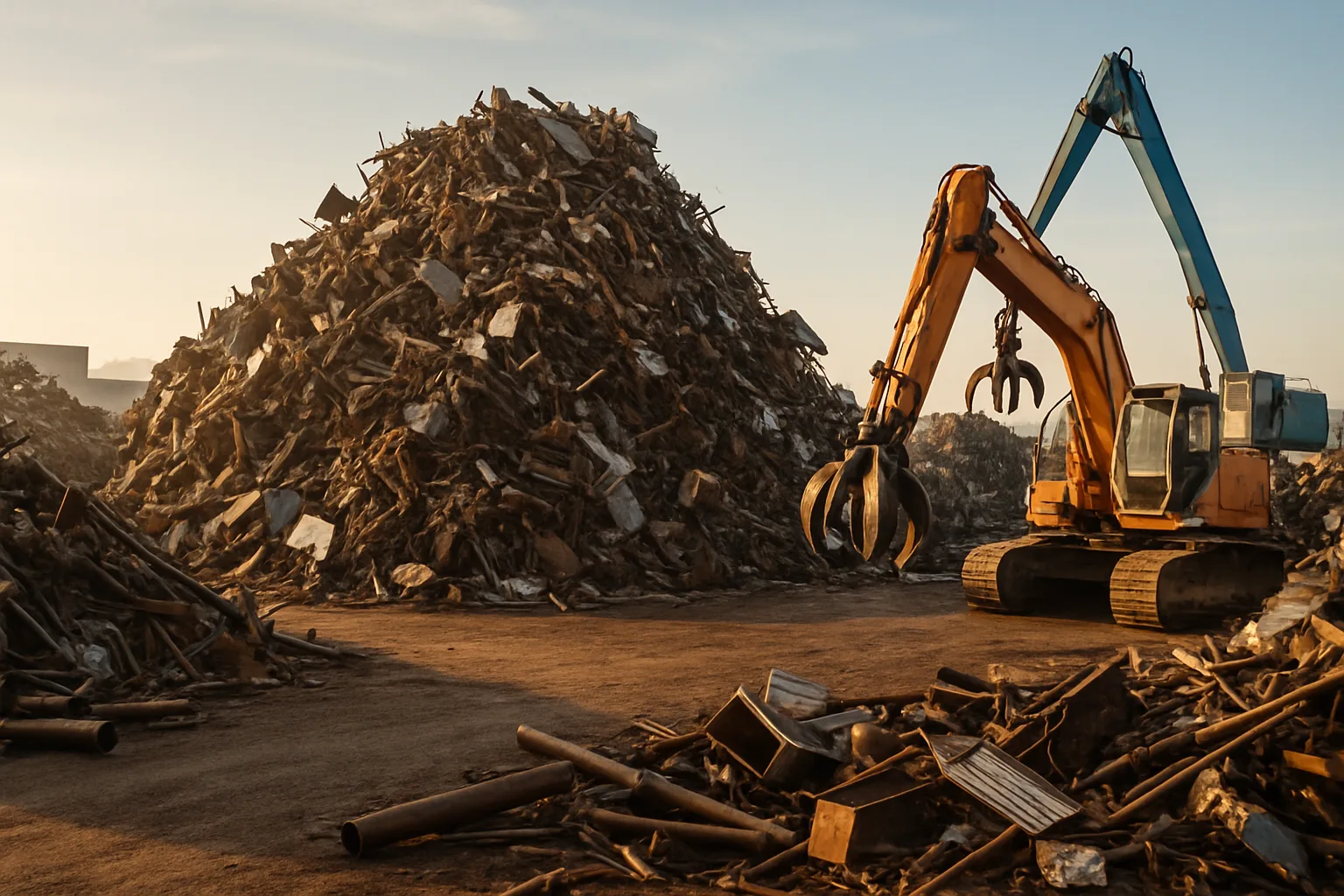
Most small-scale scrap collectors leave money on the table — not because they collect the wrong materials, but because they sell the wrong way.
If you're hauling loads of copper wire, aluminum rims, or catalytic converters to a single buyer and taking whatever price they quote, you're guessing. You're not selling. And in a market where scrap metal recycling in Dartmouth and across Nova Scotia has grown more competitive, that difference matters.
This article is for the collector who's serious about turning scrap into real earnings — whether you're running a pickup truck on weekends or building a full-time route. These tips are practical, grounded in how the scrap market actually works, and focused on getting you more per load.
Know What You're Carrying Before You Sell It
The single biggest mistake small-scale collectors make is showing up at a yard without knowing what they have. Buyers know. You should too.
Different metals command dramatically different prices. Bare bright copper wire sits at the top of the value chain. Aluminum varies widely depending on whether it's cast, sheet, or extruded. Catalytic converters — often undervalued by inexperienced sellers — contain platinum, palladium, and rhodium, and their value can swing significantly depending on make, model, and current precious metal spot prices. Steel and iron round out most loads but shouldn't be ignored as volume plays.
Before you pull up to a yard, sort your material. Here's a basic sorting framework that pays off:
- Copper: Separate bare bright, #1 copper, #2 copper, and insulated wire — they price differently
- Aluminum: Keep cast, sheet, extrusions, and painted material apart — mixed aluminum gets downgraded
- Catalytic converters: Never crush them and never mix them with other ferrous loads — they need to be identified individually
- Stainless steel: Keep it separate from regular steel — the price difference is significant
- Steel/iron: Bulk is fine, but remove attachments when you can
Sorted loads give buyers confidence. Confident buyers price higher. That's not a theory — that's how the market works.
Copper Scrap Prices in Dartmouth: Why You Shouldn't Take the First Number
Copper is the most actively traded non-ferrous metal in the recycling market. It's also the metal where small-scale collectors get taken advantage of most often — because they accept the first price quoted without knowing the daily rate or shopping it around.
Copper scrap prices in Dartmouth, like everywhere in Canada, track global commodity markets. The LME (London Metal Exchange) sets the benchmark, but local buyers add their own spread. That spread — the gap between what the buyer pays you and what they sell the copper for — is where negotiating room exists.
A few habits that protect your margins on copper:
- Check a commodity index before you sell. Even a rough sense of where copper is trading gives you a baseline to work from.
- Don't sell insulated wire at the same rate as bare bright. If a buyer quotes you one price for your whole copper load, ask how they're breaking it down by grade.
- Use competitive platforms. When you sell your scrap metal at fair Canadian prices through a platform that puts multiple buyers on your load, you stop guessing at fair value — the market tells you.
The same principle applies to aluminum scrap value per pound. Aluminum extrusions, used-beverage-can (UBC) material, and cast aluminum all price differently. Knowing which category your material falls into before you walk in the door is free information that costs you nothing to gather.
Disclaimer: Scrap metal prices fluctuate daily based on global commodity markets. Always verify current rates before selling.
Catalytic Converters: The Most Undervalued Item in Most Collectors' Loads
If you're collecting scrap vehicles, end-of-life cars, or auto parts, catalytic converters deserve a separate strategy entirely. Most small collectors treat cats like any other part — strip them off, throw them in a box, and sell them wherever. That approach leaves serious money behind.
Catalytic converters contain platinum group metals (PGMs): platinum, palladium, and rhodium. The value isn't in the steel shell — it's in the washcoat inside. That value changes based on the specific vehicle application, the condition of the converter, and the daily price of PGMs on global markets.
Here's what changes the game for small-scale collectors selling cats:
- Identify before you sell. Most buyers use VIN lookups or serial number databases to identify cats. You should know what you have before they tell you — it levels the conversation.
- Never sell crushed or damaged cats at a discount without knowing why. Some buyers will downgrade a damaged cat significantly. Know what you're accepting.
- Consider selling online. When you sell catalytic converters online through a platform that connects you to vetted buyers, you get competitive offers rather than a single take-it-or-leave-it number.
- Document your cats with photos. Serial numbers, condition photos, and vehicle source documentation all increase buyer confidence — and confident buyers price higher.
Platforms like the SMASH Recycling auction platform are built specifically for this kind of documentation-first selling. VIN lookup, serial tracking, and photo documentation aren't extras — they're built into the workflow. That's how you get fair value on a material that's easy to underprice when sold blind.
Best Scrap Metal Prices in Nova Scotia: Why Local Competition Matters
Nova Scotia isn't a huge market. Dartmouth and the Halifax Regional Municipality anchor most of the industrial and residential scrap volume in the province. That geographic concentration means local buyers know each other — and they're not always competing aggressively for your load.
This is the structural problem with selling scrap the old way: one call, one price, no leverage. If you're a small-scale collector in Dartmouth bringing a mixed load of copper, aluminum, and a few cats, you're not a priority account for a large yard. You're a walk-in. The price you get reflects that reality.
The path to better scrap metal prices in Nova Scotia isn't about finding the one buyer who's always fairest. It's about creating competition around your load — every time, not just when you happen to call the right yard on the right day.
A few structural changes that help small collectors in regional markets:
- Keep records of prices you've been quoted. Over time, patterns emerge. Certain buyers consistently undercut on copper. Others are fair on aluminum but aggressive on cats.
- Batch your loads when possible. Larger loads attract more buyer interest. If you're pulling 50 lbs of copper a week, consider holding it for three weeks to move 150 lbs — that's a more attractive lot for serious buyers.
- Don't treat location as a constraint. Online platforms that connect Canadian collectors to vetted national buyers mean your Dartmouth load isn't limited to Dartmouth-area pricing.
You can explore scrap metal selling guides for more detail on how regional pricing works and what affects your per-pound rate in Atlantic Canada.
Documentation, Photos, and Why Paperwork Pays
This sounds like the least exciting tip. It's actually the most profitable one for collectors who do it consistently.
Buyers price risk. When they can't verify what they're buying — no photos, no weights, no provenance on cats, no bill of lading on a large load — they build a discount into their offer. They're not being unfair. They're pricing uncertainty. Your job as a seller is to eliminate that uncertainty before the price conversation starts.
Here's a documentation habit that improves your outcomes over time:
- Photograph every load before you move it. Date-stamped photos showing sorted material, approximate weights, and any identifiable pieces (serial numbers on cats, for example) take five minutes and pay off in buyer confidence.
- Weigh material before delivery when you can. Knowing your own weight before you hit the yard scale removes one point of uncertainty from the transaction.
- Keep a simple load log. Date, material type, estimated weight, and sale price. Over six months, you'll have a data set that shows you exactly where you're getting fair value and where you're not.
- Track your cat serials. If you're moving any volume of catalytic converters, a simple spreadsheet of serial numbers and vehicle sources protects you legally and commercially.
SMASH is built around this documentation-first model. When you list a load through SMASH, the platform captures the inventory data, photos, and weights that buyers need to bid with confidence — which means you get offers that reflect actual market value, not a buyer's best-case discount.
Timing Your Sales: When to Hold and When to Move
Commodity markets move. Copper, aluminum, and PGMs all respond to macroeconomic signals, supply chain shifts, and trade policy. As a small-scale collector, you're not a commodity trader — but a basic awareness of timing can add meaningful dollars to your annual totals.
You don't need to watch markets daily. A few practical timing principles are enough:
- Don't sell into a known price trough. If copper has dropped 15% in the last two weeks and you're not under financial pressure, holding for a few weeks costs nothing.
- Sell cats when PGM prices are strong. Palladium and rhodium in particular can be volatile. A basic monthly check on PGM spot prices takes two minutes.
- Don't hold material indefinitely waiting for peaks. Scrap sitting in your yard has carrying cost — space, handling, and risk. The goal isn't perfect timing. It's informed timing.
- Batch non-ferrous strategically. If you can hold aluminum for four to six weeks without operational pressure, do it. Buyers respond better to meaningful volumes.
The bottom line: you won't time every sale perfectly. Nobody does. But developing the habit of selling into competitive processes — rather than just calling one buyer on the day you need the load gone — compounds over time into materially better outcomes.
If you're ready to stop guessing and start selling with real market visibility, get a fair price for your scrap today. Whether you're in Dartmouth, across Nova Scotia, or anywhere in Canada, the platform connects you to vetted buyers who compete for your load — no subscription, no guesswork.
Frequently Asked Questions
Q: How do I find the best scrap metal prices for my load in Dartmouth?
The most reliable way is to create competition around your load rather than calling one buyer. Online platforms that connect you to multiple vetted buyers — like SMASH — give you price discovery instead of a single take-it-or-leave-it quote. Local yard prices in Dartmouth also vary by material type, so sorting your load before selling is the first step to better rates.
Q: What's the best way to sell catalytic converters if I'm a small collector in Nova Scotia?
Document your cats with photos and serial numbers before you sell. Selling through a platform that uses VIN lookup and serial tracking gives buyers confidence to price accurately — which usually means more money for you. Avoid selling crushed or unidentified cats without understanding how they're being priced.
Q: How much is copper scrap worth per pound in Dartmouth right now?
Copper prices change daily based on global commodity markets, so we don't publish fixed rates. Check a current commodity index for LME copper prices, then factor in the local buyer spread in your area. Selling through a competitive platform helps you understand what the actual market is paying rather than what one buyer wants to pay.
Q: Does aluminum scrap value per pound vary by type of aluminum?
Yes — significantly. Aluminum extrusions, cast aluminum, sheet aluminum, and used beverage cans (UBCs) all price differently. Mixed or painted aluminum typically gets downgraded. Sorting your aluminum before selling is one of the easiest ways to improve your per-pound return without changing anything else about how you operate.
Q: Is scrap metal recycling in Dartmouth different from the rest of Canada?
The fundamentals are the same — commodity-linked pricing, competition between buyers, value driven by metal grade and documentation. Regional markets like Dartmouth can have fewer buyers actively competing for loads, which is why online platforms that open your load to national buyer pools matter more in smaller markets. The basic strategy — sort well, document thoroughly, sell competitively — applies everywhere in Canada.
Stay current on scrap metal market trends and industry news by following SMASH on LinkedIn. It's where yard operators and collectors track what's moving the market.
```