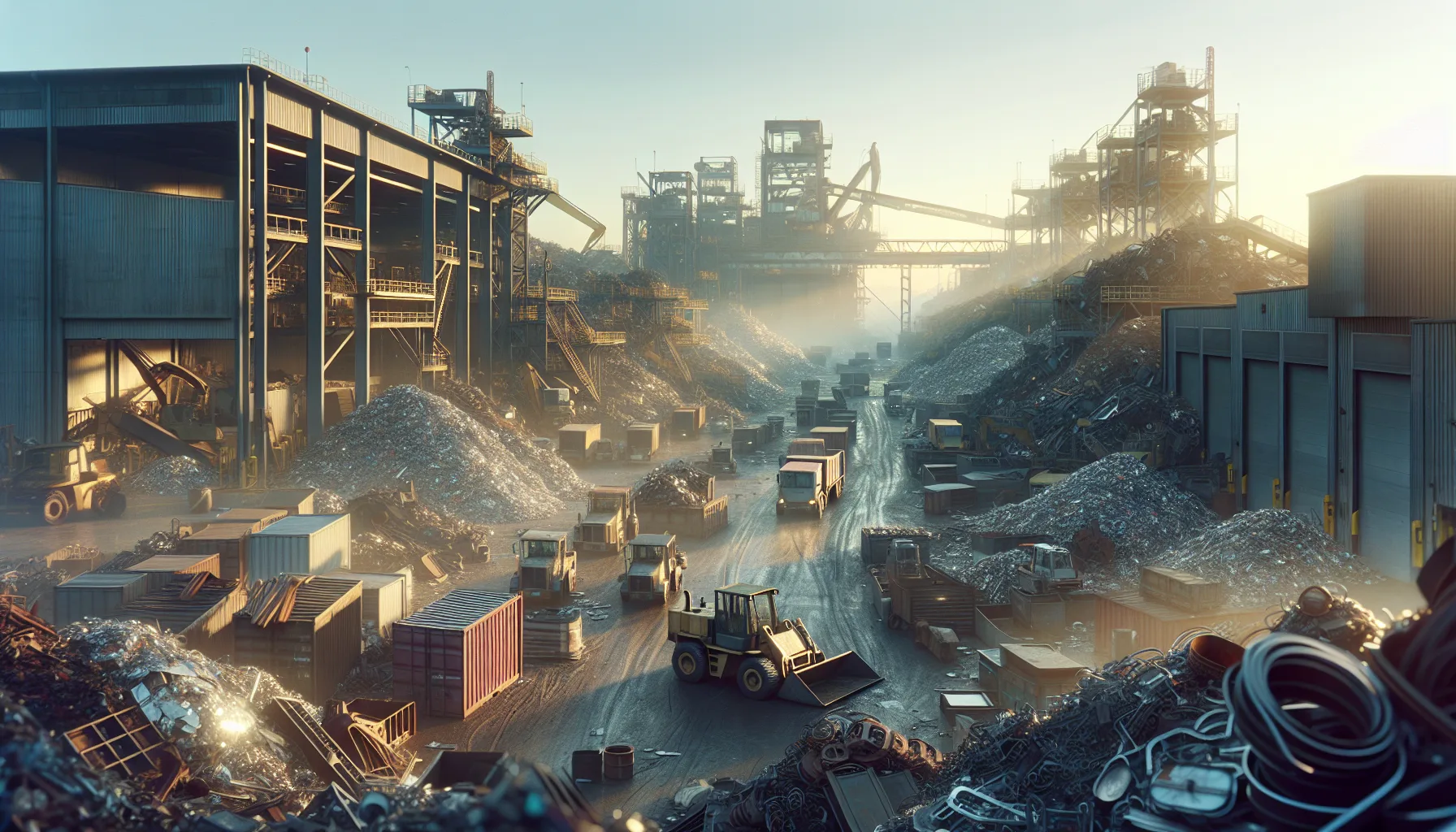
Understanding Metal Types and Current Market Values
Sorting scrap metal effectively starts with understanding what you have and its current market value. The platinum price fluctuates daily, making catalytic converters particularly valuable when sorted correctly. Copper commands premium rates, while aluminum offers steady returns with high volume potential.
Each metal type requires specific preparation methods to maximize value. Steel needs rust removal and size reduction. Copper demands wire stripping and grade separation. Aluminum benefits from cleaning and alloy identification. Understanding these differences helps you sell your scrap metal at fair Canadian prices through proper preparation.
In Chilliwack, local recyclers look for well-sorted materials that reduce their processing time. Clean, separated metals fetch higher prices than mixed loads. The effort you invest in sorting directly translates to increased profits when you're ready to sell.
Essential Tools for Proper Metal Sorting
Start with basic sorting tools that make the job efficient and safe. You'll need heavy-duty gloves, safety glasses, and steel-toed boots for protection. A magnet helps separate ferrous from non-ferrous metals quickly. Wire strippers maximize copper wire value by removing insulation.
Invest in sturdy containers or bins for each metal type. Label them clearly to avoid mixing during collection. A scale helps track weights and estimate values. Keep a notebook to record what you collect and current market rates.
Advanced sorters use angle grinders to size down large pieces and torches to separate joined metals. These tools require experience and safety training. Start simple and upgrade your toolkit as you gain confidence and volume.
Step-by-Step Metal Preparation Process
Begin by creating a safe workspace with good lighting and ventilation. Spread materials on a tarp to catch small pieces. Sort metals into broad categories first: ferrous (magnetic) and non-ferrous (non-magnetic). This initial separation streamlines the detailed sorting process.
For copper preparation, strip all wire insulation to reveal bare copper underneath. Separate #1 copper (bright, clean) from #2 copper (darker, oxidized). Remove any attachments like fittings or solder connections. Clean copper pipes command higher prices than dirty or corroded pieces.
Aluminum requires thorough cleaning to remove dirt, paint, and other contaminants. Separate cast aluminum (engine blocks, transmission cases) from sheet aluminum (siding, gutters). Remove steel attachments like bolts or brackets. When you SMASH Scrap — where verified buyers bid on your metal, clean aluminum consistently outperforms mixed or dirty material.
Steel preparation focuses on size and cleanliness. Cut large pieces to manageable sizes that fit in recycler bins. Remove non-metallic attachments like rubber, plastic, or wood. Light rust doesn't significantly impact value, but heavy corrosion reduces prices.
Catalytic Converter Handling
Catalytic converters require special attention due to their platinum, palladium, and rhodium content. The platinum price makes these components extremely valuable when handled correctly. Never cut or damage the ceramic interior, as this reduces recovery rates.
Remove converters intact from exhaust systems. Keep the metal shell and ceramic core together. Document the vehicle make, model, and year for accurate pricing. Store converters separately from other scrap to prevent damage during transport.
Maximizing Value Through Strategic Sorting
Group similar metals together to create larger, more attractive lots for buyers. Small quantities of mixed metals often receive lower per-pound rates than substantial amounts of single-type materials. Combine materials from multiple sources to reach minimum weight thresholds for premium pricing.
Time your sales strategically when possible. Metal prices fluctuate based on global demand, economic conditions, and seasonal factors. The platinum price particularly varies with automotive industry demand and industrial applications. Platforms like SMASH make it easy to monitor multiple buyer offers and choose optimal selling times.
Consider the transportation costs versus material value. Low-value materials like steel may not justify long drives to recyclers. Focus collection efforts on high-value materials like copper, aluminum, and catalytic converters that provide better returns per pound and per trip.
In British Columbia, many recyclers offer pickup services for larger quantities. This service eliminates transportation costs and saves time for sellers with substantial volumes. Calculate whether pickup fees offset the convenience and safety benefits for your situation.
Legal Requirements and Safety Considerations
Canadian scrap metal recycling regulations require proper documentation for high-value items like catalytic converters and copper. Keep receipts, photos, and ownership documentation to prove legitimate acquisition. This paperwork protects you legally and often results in faster payment processing.
Safety equipment isn't optional when handling scrap metal. Sharp edges, heavy pieces, and chemical residues pose real dangers. Work methodically rather than rushing through sorting tasks. Take breaks to maintain focus and prevent accidents that could result in injury or damaged materials.
Store sorted materials securely to prevent theft, especially high-value items like copper wire and catalytic converters. Use locked containers or secure storage areas. Consider insurance coverage for substantial collections, as replacement costs can be significant.
Environmental responsibility matters in metal recycling. Drain fluids from automotive parts before scrapping. Remove hazardous materials like mercury switches from older vehicles. Proper handling protects the environment and ensures recyclers accept your materials without hesitation.
When you're ready to turn your carefully sorted scrap into cash, professional buyers in Chilliwack and throughout British Columbia appreciate the extra effort you've invested in preparation. Clean, well-sorted materials move through the system faster and command premium prices. Whether you're looking to get a fair price for your scrap today or building a long-term recycling strategy, proper sorting and preparation form the foundation of profitable scrap metal sales. Take time to explore scrap metal selling guides for additional tips on maximizing your returns. Sell your scrap metal at fair Canadian prices — request a pickup at sell-scrapmetal.ca.
Frequently Asked Questions
Q: How does the current platinum price affect my catalytic converter value?
The platinum price directly impacts catalytic converter values since these components contain platinum, palladium, and rhodium. Higher platinum prices mean better returns for your converters. Check current market rates before selling, as prices can change significantly week to week.
Q: Where can I sell scrap car parts in Chilliwack for the best prices?
Several options exist to sell scrap car Chilliwack residents can use, including local auto recyclers, metal dealers, and online platforms. Compare offers from multiple buyers and consider pickup services for convenience. Well-prepared materials consistently command higher prices regardless of where you sell.
Q: What's the minimum amount of scrap metal recyclers accept in Canada?
Most Canadian scrap metal recycling facilities accept any quantity, but minimum weights often apply for pickup services or premium pricing. Small amounts typically require drop-off, while larger quantities may qualify for convenient pickup services and better per-pound rates.
Q: Should I mix different types of aluminum together when selling?
Never mix aluminum types if you want maximum value. Separate cast aluminum, sheet aluminum, and aluminum wire into distinct categories. Each type commands different prices, and mixing them typically results in payment at the lowest grade's rate.
Q: How long can I store sorted scrap metal before selling?
Properly stored scrap metal can wait indefinitely, but market timing matters for profitability. Copper and aluminum resist corrosion well during storage. Steel may develop surface rust over time, slightly reducing value. Monitor market conditions and sell when prices favor your specific materials.