What the Scrap Metal Market Is Telling You Right Now (June 2026)
If you've been sitting on a pile of copper wire, a stack of aluminum extrusions, or a catalytic converter you pulled last winter — the market in mid-2026 is giving you reasons to pay attention. Prices have been moving. Buyer demand has shifted. And if you're trying to sell scrap metal near me Sherbrooke, understanding what's driving the market right now can be the difference between leaving money on the table and getting a genuinely fair return.
This isn't a forecast full of vague optimism. It's a straightforward read of the signals worth tracking — and what they mean for sellers in Sherbrooke and across Quebec.
Copper Is Still the Metal Everyone Watches — Here's Why
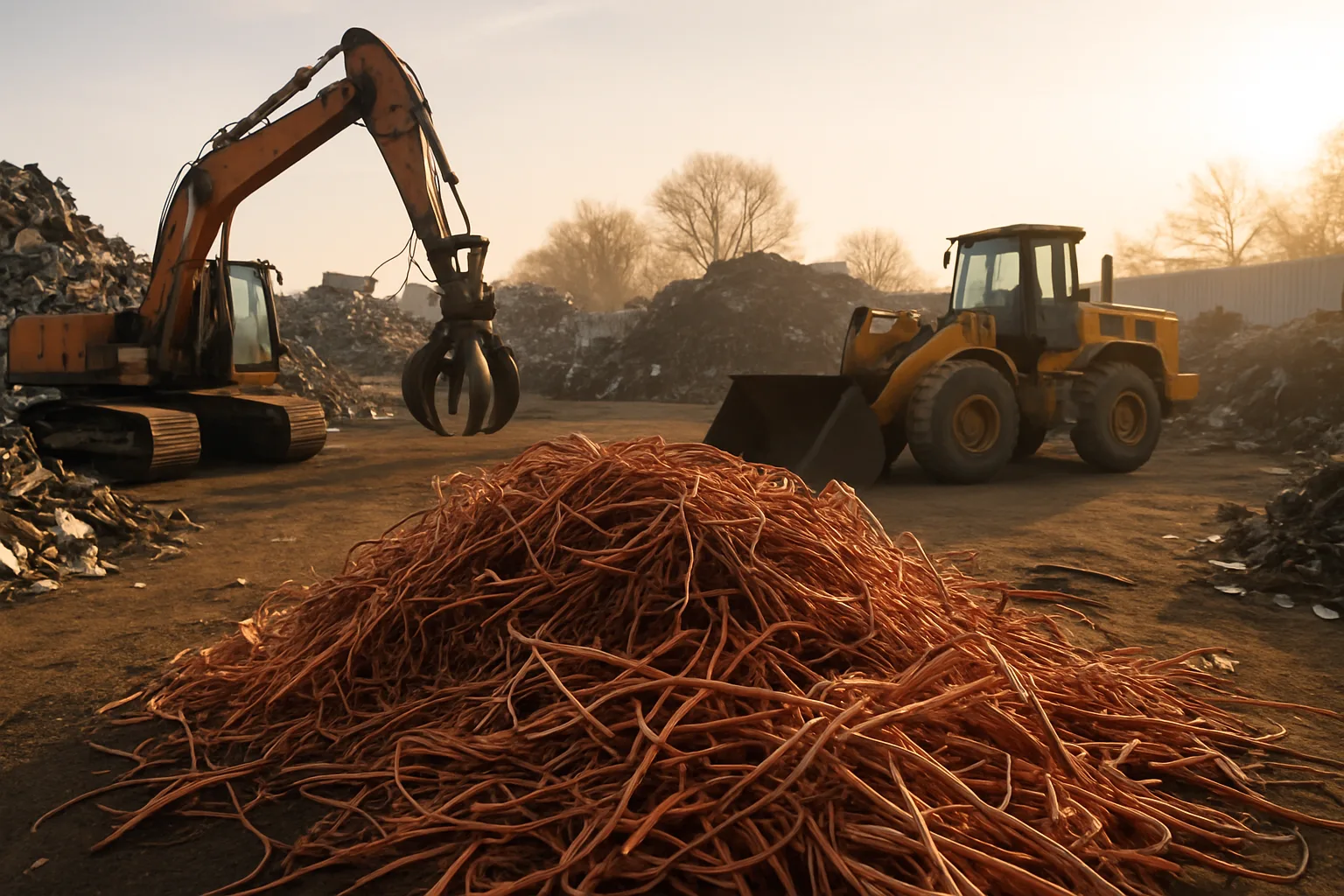
Copper remains the benchmark metal. When copper moves, the whole market takes notice. In 2026, copper pricing continues to be shaped by two dominant forces: global energy transition demand (think EV charging infrastructure, grid upgrades, renewable installation) and supply constraints from major producing regions. These aren't short-term blips — they're structural pressures that have kept copper elevated compared to historical averages.
For sellers in Canada, that matters. Scrap copper Canada prices tend to track global markets closely, but local spread — the gap between what a single buyer quotes you versus what the actual market will pay — can be significant. A recycling yard quoting you off a posted rate on a slow Tuesday isn't the same as putting your copper in front of multiple vetted buyers who are actively competing for material. That's exactly the gap that platforms like SMASH Recycling — where verified buyers bid on your metal are built to close.
What to watch: Keep an eye on copper futures volatility. When global demand news hits — a new grid investment announcement, a major EV adoption report — prices can move fast. Sellers who are ready to move material quickly can benefit from those windows.
Aluminum Prices in 2026: Steady Demand, Regional Variation
Aluminum is having a solid year. Construction and automotive sectors continue to drive demand for clean aluminum extrusions and cast aluminum. The shift toward lighter vehicle frames hasn't slowed — it's accelerated — and that means scrap aluminum from automotive and manufacturing sources is consistently in demand from buyers who process for secondary smelters.
Regional variation is real, though. What a buyer in Montreal or Quebec City pays for a load of aluminum extrusions may differ from what you're quoted locally. That variation exists because some buyers have better downstream relationships, tighter logistics, and different smelter contracts. The lesson for sellers: the first number you're offered isn't necessarily the market rate. It's one buyer's number.
- Painted aluminum trades at a discount — strip or sort where you can.
- Clean extrusions command the best return in most markets.
- Cast aluminum (engine blocks, manifolds) is lower grade but still worth processing.
- Contaminated or mixed material gives buyers an excuse to discount hard — sort before you sell.
If you're ready to sell your scrap metal at fair Canadian prices, knowing which grade you have before the conversation starts puts you in a stronger position from the first call.
Catalytic Converters: A Market That Rewards Documentation
The catalytic converter market in 2026 is more scrutinized than ever — and that's not a bad thing for legitimate sellers. Regulatory pressure on converter sales has tightened across most Canadian provinces, including Quebec. Serial number tracking, vehicle documentation requirements, and chain-of-custody records are now the baseline expectation, not the exception.
For yards and individuals who are selling legitimate material — pulled from vehicles you own or purchased legally — documentation is your best friend. A converter with a confirmed VIN match and clear paperwork moves faster and commands better bids. A converter with no documentation creates friction, delays, and often a lower offer because the buyer is pricing in their own compliance risk.
Platforms built around scrap metal auction processes — like SMASH — handle serial tracking and photo documentation as part of the standard listing workflow. That structure benefits sellers directly. Documented material attracts more confident buyers, and more confident buyers bid more aggressively. If you're a catalytic converter buyer or seller, that audit trail isn't a burden — it's what gets you the best outcome.
The precious metal content in converters (platinum, palladium, rhodium) continues to fluctuate based on automotive production trends and secondary refinery demand. Palladium has seen notable price movement in 2026 as hybrid vehicle adoption patterns shift. If you're holding converters, understanding the refinery spread — the difference between street price and actual assay value — is worth learning. The more buyers you can access, the closer you get to the real number.
Ferrous Markets: Steel and Iron Are Grinding Along
Steel and iron scrap aren't headline-grabbers in 2026, but they're moving steadily. Domestic steel production remains active, and electric arc furnace (EAF) mills — which run on scrap rather than virgin ore — continue to be significant buyers of prepared steel, heavy melt, and shredded. For sellers in Quebec with large ferrous volumes, proximity to mill buyers matters for transportation economics.
The challenge with ferrous is margin compression. Steel prices are competitive, loads are heavy, and transport costs eat into returns quickly. The way to protect your margin isn't to chase a single mill buyer — it's to create competition. A SMASH scrap metal auction format lets multiple vetted buyers price your load based on their actual demand at the moment you're selling. That's how you avoid leaving money behind on a 40-tonne load of heavy melt.
For Sherbrooke-area sellers with significant ferrous volume, the logistics math often determines whether you truck to a yard or arrange a direct mill purchase. Having access to multiple buyers — not just one relationship — gives you options when freight rates shift or one buyer goes quiet.
What the Market Means for Sellers in Sherbrooke Right Now
Sherbrooke is well-positioned geographically. You're within reasonable reach of buyers in Quebec's Eastern Townships, Montreal, and across the border. That means competition for your material is possible — if you're selling into a system that creates it.
The old way of selling scrap in Sherbrooke — one call, one quote, one buyer — doesn't take advantage of that geography. It just gives one local yard the ability to set your price. The market in 2026 has enough active buyers across North America that sellers in mid-sized Quebec cities like Sherbrooke don't need to accept a single local number as the final answer.
Whether you're clearing out a shop, selling a load of non-ferrous from a renovation job, or moving converters from a garage operation, the process is the same: document what you have, know your grade, and put it in front of more than one buyer. That's not complicated — but it does require a platform that actually does it.
For anyone looking to Sherbrooke scrap metal services, the difference between a good outcome and a mediocre one usually comes down to how many buyers saw your material. You can explore scrap metal selling guides to sharpen your approach before your next sale.
How to Position Yourself as a Seller in This Market
The sellers who do best in any market — up or down — are the ones who show up prepared. That means a few concrete things in mid-2026.
- Sort your material before pricing conversations. Mixed loads give buyers license to price to the worst grade in the bin. Clean, sorted material gets priced on its merits.
- Document everything you can. Photos, weights, VINs where applicable, BOLs if you're moving loads. Better documentation means faster, more confident bids.
- Don't anchor on one quote. The first number you hear sets a psychological anchor. Get competitive pricing before you decide. Competition reveals the real market.
- Understand grade differences. Whether it's #1 copper vs. #2 copper, or clean aluminum extrusion vs. painted cast, grade distinctions can shift your return meaningfully.
- Time your sales when you can. If you're not in a cash crunch, watching market signals before moving large loads can pay off. That's not speculation — it's basic price awareness.
SMASH is built for exactly this kind of seller. The platform brings vetted buyers to your material, handles the documentation workflow, and runs a transparent auction process — no subscription fees, no guessing. More buyers means better price discovery. That's it. If you're ready to get a fair price for your scrap today, the system exists to make it happen.
Disclaimer: Scrap metal prices fluctuate daily based on commodity markets, regional demand, and buyer activity. Always check current rates before finalizing any sale. The price information and market observations in this article reflect general conditions as of June 2026 and are not a guarantee of future pricing.
Frequently Asked Questions
Q: What scrap metal prices should I expect in Sherbrooke right now?
Prices vary by metal type, grade, and daily market conditions — there's no fixed number we can honestly post and stand behind for more than a day or two. Copper, aluminum, and catalytic converters all move with global commodity markets. Your best move is to get current quotes from multiple buyers rather than accepting one local rate as the market price.
Q: Is it worth selling scrap metal near me in Sherbrooke, or should I wait?
It depends on what you have and how the market is trending. For most non-ferrous metals in 2026, current demand is active. Holding material hoping for a spike carries its own risk — storage costs, price drops, and cash tied up. If you have sorted, documented material ready to move, getting it in front of competitive buyers now is generally a sound approach.
Q: How does a scrap metal auction work for regular sellers?
A scrap metal auction puts your material listing in front of multiple vetted buyers who submit bids competitively. You see what the market is actually willing to pay — not just what one buyer decides to offer you. Platforms like SMASH handle the listing, documentation, and buyer verification, so you're not managing a dozen phone calls yourself.
Q: Do I need to sort my scrap before selling in Quebec?
Sorting isn't legally required in most cases, but it almost always improves your return. Mixed loads get priced to the lowest-grade material in the pile. Clean, separated metals — copper apart from aluminum, extrusions apart from cast — give buyers confidence and get better bids. Five minutes of sorting can be worth more per kilogram than almost anything else you do.
Q: How do I sell a catalytic converter legally in Quebec?
Quebec, like most Canadian provinces, has tightened requirements around converter sales. You'll typically need to show proof of ownership or source, and buyers now expect vehicle documentation and serial number records. Work with buyers who have a proper documentation workflow — it protects you and ensures your material isn't flagged or rejected. SMASH's platform includes serial tracking and photo documentation as standard parts of the listing process.
If you're ready to stop guessing what your scrap is worth and start selling with actual market competition behind you, head to sell-scrapmetal.ca and request a pickup. Fair Canadian prices, no subscription fees, no single-buyer games.
Stay ahead of scrap metal market trends — follow SMASH on LinkedIn for regular market insights, price movement updates, and tips for getting the most from your material.