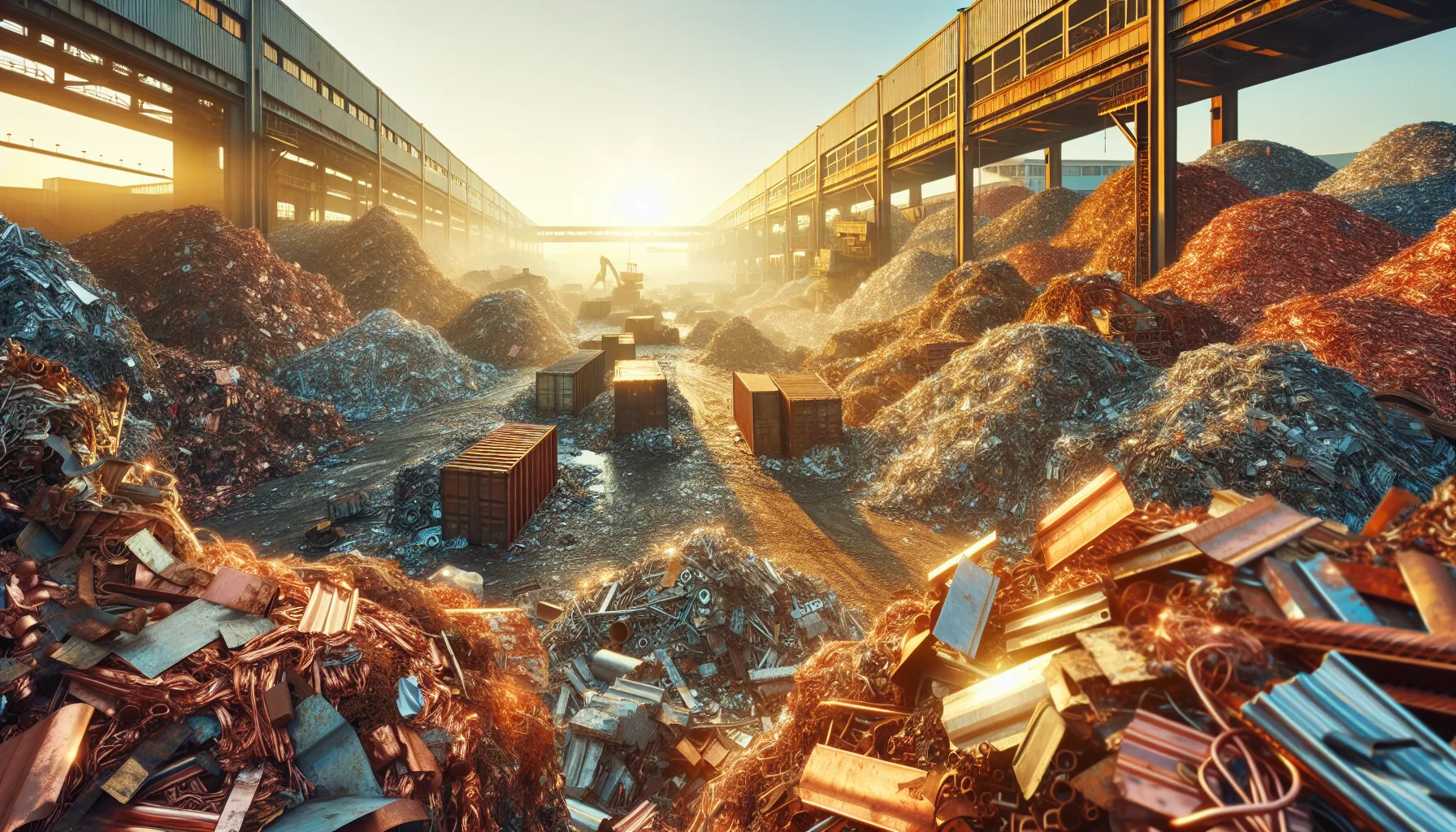
Understanding Ferrous vs Non-Ferrous Metals: The Key to Better Scrap Prices
When you're looking up the copper scrap price today or considering that old car in your driveway, understanding the difference between ferrous and non-ferrous metals can significantly impact your payout. These two categories determine everything from current market values to pickup logistics, especially if you're searching for free scrap car pickup St. Catharines services.
The distinction boils down to iron content. Ferrous metals contain iron and are magnetic, while non-ferrous metals don't contain iron and aren't magnetic. This simple difference creates vastly different market values and recycling processes that directly affect your bottom line.
Most scrap metal sellers in St. Catharines discover this difference when they realize their copper wiring commands premium prices while their steel appliances fetch much less per pound. Platforms like SMASH make it easy to connect with verified buyers who understand these distinctions and offer competitive rates for both categories.
Ferrous Metals: The Magnetic Foundation of Scrap Recycling
Ferrous metals make up the bulk of scrap metal by volume but typically offer lower per-pound prices. Steel, cast iron, and wrought iron dominate this category. Your old car, appliances, construction materials, and most household items fall into this group.
The magnet test provides instant identification. Hold a strong magnet near the metal — if it sticks, you're dealing with ferrous material. This magnetic property makes ferrous metals easier to separate at recycling facilities, contributing to their widespread recyclability.
Common ferrous metals include:
- Steel: Cars, appliances, construction beams, cans
- Cast iron: Engine blocks, cookware, pipes
- Wrought iron: Decorative items, older construction materials
- Carbon steel: Tools, machinery parts
While ferrous metals command lower individual prices, their abundance makes them valuable for bulk sellers. A typical car contains 2,000-3,000 pounds of steel, making free scrap car pickup St. Catharines services worthwhile despite modest per-pound rates.
Non-Ferrous Metals: Where the Real Money Lives
Non-ferrous metals command premium prices because they're rarer, more difficult to extract, and highly sought after by manufacturers. These metals resist corrosion better than ferrous metals and often possess superior electrical or thermal conductivity.
Copper leads the non-ferrous pack in both value and recognition. When checking copper scrap price today, you'll notice significant premiums over ferrous metals. Aluminum, brass, bronze, lead, zinc, and precious metals round out this category.
Key non-ferrous metals include:
- Copper: Electrical wiring, plumbing, HVAC components
- Aluminum: Cans, siding, automotive parts, aircraft components
- Brass: Faucets, decorative items, musical instruments
- Bronze: Statues, bearings, marine hardware
- Lead: Batteries, roofing materials, radiation shielding
Non-ferrous identification requires more attention. The magnet test eliminates ferrous possibilities, but distinguishing between copper, brass, and bronze requires visual inspection and sometimes testing. Copper appears reddish-brown, brass looks golden-yellow, and bronze shows a darker brown coloration.
Special Categories: Catalytic Converters and Electronic Waste
Some items contain both ferrous and non-ferrous components. Catalytic converters combine steel housings with platinum, palladium, and rhodium — making them extremely valuable despite their steel exterior. Electronic waste mixes steel frames with copper wiring, gold-plated circuits, and aluminum heat sinks.
These hybrid items require specialized knowledge to maximize value. SMASH connects sellers with buyers who understand these complexities and offer fair prices for mixed-material items.
Market Dynamics: Why Non-Ferrous Metals Cost More
Supply and demand economics explain the price gap between ferrous and non-ferrous metals. Iron ore remains relatively abundant globally, keeping steel prices moderate. Meanwhile, copper mines face depletion, environmental regulations, and increasing global demand from renewable energy projects.
Scrap metal prices today reflect these market realities. Copper consistently trades at $3-7 per pound, while steel rarely exceeds $0.50 per pound. This 10-15x price difference makes identifying and separating non-ferrous metals crucial for serious scrap sellers.
Ontario's manufacturing sector creates steady demand for both categories. Automotive plants in the province need steel for car bodies and copper for electrical systems. This local demand helps stabilize prices and ensures reliable buyers throughout the region.
Global commodity markets influence daily pricing. Copper prices fluctuate based on construction activity, renewable energy installations, and economic conditions in major consuming countries. Steel prices respond to construction demand, infrastructure spending, and international trade policies.
Practical Tips for Scrap Metal Separation and Sale
Smart separation starts at collection. Keep ferrous and non-ferrous materials in separate containers from the beginning. This prevents contamination and demonstrates professionalism to buyers, often resulting in better prices.
Invest in a strong neodymium magnet for field testing. These powerful magnets clearly distinguish ferrous from non-ferrous materials and cost under $20. Clean materials before sale — remove plastic insulation from copper wire, separate aluminum from steel attachments, and strip paint when possible.
Volume matters for ferrous metals, while purity matters for non-ferrous materials. Accumulate steel until you have several hundred pounds, but sell copper and aluminum promptly to capture current market prices. Sell your scrap metal at fair Canadian prices through services that understand these timing differences.
Documentation helps with valuable items. Photograph unusual or high-value pieces before separation. Note weights and locations where you found premium materials. This information helps buyers assess authenticity and fair value, particularly for items like catalytic converters that attract theft concerns.
Consider transportation costs when planning sales. Ferrous metals require bulk quantities to justify transportation expenses, while non-ferrous metals often warrant immediate sale due to their higher per-pound values. Services offering pickup can eliminate this calculation and ensure you capture optimal timing for both categories.
Choosing the Right Buyer for Your Metal Type
Different buyers specialize in different metal types. Automotive salvage yards excel with ferrous materials from cars and trucks. Electrical contractors often seek copper wire and components. Specialized recyclers focus on aluminum, brass, or electronic waste.
Research buyer reputations before committing to large sales. Verify licensing, check online reviews, and confirm current pricing. Platforms like SMASH Scrap — where verified buyers bid on your metal eliminate much of this research by pre-screening participants and facilitating competitive bidding.
Timing matters differently for each metal type. Steel prices remain relatively stable, making timing less critical. Copper and aluminum prices fluctuate more dramatically, rewarding sellers who monitor market trends and sell during price peaks.
Geographic factors influence buyer selection in St. Catharines. Local buyers reduce transportation costs and provide faster payment, but may offer lower prices than distant specialized buyers. Evaluate total returns including transportation, time, and payment terms when choosing between options.
Multiple buyer relationships provide flexibility and leverage. Develop connections with both generalist recyclers who accept mixed loads and specialists who pay premiums for specific materials. This approach maximizes returns while maintaining convenient disposal options for different situations.
Whether you're clearing out copper wiring or arranging free scrap car pickup in St. Catharines, understanding ferrous versus non-ferrous distinctions ensures you capture maximum value from every pound of material. Take time to explore scrap metal selling guides that dive deeper into identification, pricing, and sale strategies. Ready to turn your metal into cash? Get a fair price for your scrap today and discover how proper categorization translates directly into better payouts.
Frequently Asked Questions
Q: How do I quickly tell if my scrap metal is ferrous or non-ferrous?
Use the magnet test — hold a strong magnet near the metal. If it sticks strongly, it's ferrous (contains iron). If the magnet doesn't stick, it's non-ferrous and likely worth more money. This simple test works for 99% of common scrap metals.
Q: Why is copper scrap price today so much higher than steel prices?
Copper costs more because it's rarer, harder to mine, and in high demand for electrical applications and renewable energy projects. Steel is abundant and easier to produce, keeping prices lower. Non-ferrous metals like copper typically sell for 10-15 times more per pound than ferrous metals.
Q: Can I get free scrap car pickup in St. Catharines for ferrous metal like my old vehicle?
Yes, many services offer free pickup for scrap cars in St. Catharines because vehicles contain 2,000-3,000 pounds of steel plus valuable non-ferrous components like copper wiring and aluminum parts. The combined value justifies free pickup and towing services.
Q: Should I separate my mixed metals before selling?
Absolutely. Separating ferrous from non-ferrous metals increases your payout significantly. Buyers pay premium prices for clean, sorted materials and often penalize sellers for mixed loads. Spend time separating copper, aluminum, and brass from steel components.
Q: What's the best way to find current scrap metal prices in Ontario?
Check online platforms daily since prices fluctuate with commodity markets. Many Ontario recyclers post current rates on their websites. Competitive bidding platforms help ensure you receive fair market prices rather than accepting whatever one buyer offers.