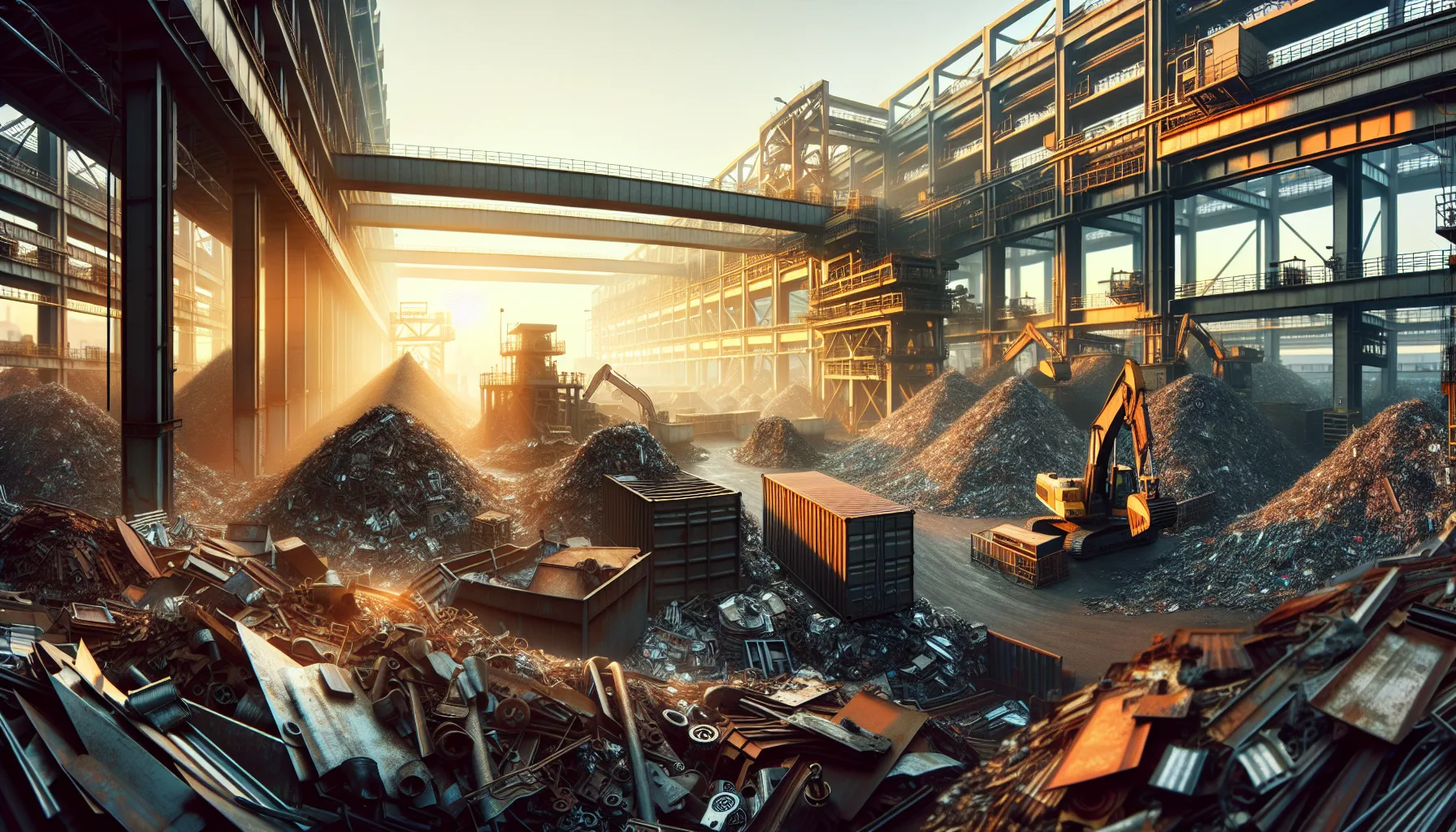
When selling scrap metal in Ottawa, understanding the difference between steel and iron pricing can significantly impact your returns. While many scrap sellers focus on tracking the copper scrap price today, steel and iron represent high-volume opportunities that shouldn't be overlooked. These ferrous metals make up the bulk of scrap material in most households and businesses across Ontario, yet the pricing structure often confuses first-time sellers.
Steel and iron scrap prices fluctuate based on different market factors than non-ferrous metals like copper or aluminum. The key lies in understanding material composition, preparation requirements, and current market demand. Ottawa's industrial landscape, with its construction projects and manufacturing facilities, creates steady demand for both steel and iron recycling.
Steel vs. Iron: Understanding the Material Differences
Steel is actually an alloy of iron combined with carbon and other elements. Pure iron contains very little carbon, while steel typically contains 0.3% to 2% carbon content. This fundamental difference affects both strength and recyclability, directly impacting scrap metal pricing.
Iron appears naturally in ore form and requires less processing to recycle. Steel, being an engineered alloy, commands higher prices due to its versatility and strength properties. Most items labeled as "iron" in household settings are actually mild steel products.
Common iron items include:
- Cast iron cookware and pipes
- Wrought iron decorative items
- Engine blocks and heavy machinery parts
- Older plumbing fixtures
Steel items typically include:
- Appliances (refrigerators, washers, dryers)
- Automotive parts and body panels
- Construction materials (beams, rebar)
- Food cans and containers
Understanding these distinctions helps maximize your returns when you sell your scrap metal at fair Canadian prices through established recycling networks.
Current Price Factors Affecting Steel and Iron in Ottawa
Steel and iron prices in Ottawa fluctuate based on several key factors. Industrial demand from Ontario's manufacturing sector plays a significant role. When construction activity increases across the Greater Toronto Area and Ottawa region, steel demand typically rises.
Global steel production and trade policies also influence local pricing. Canadian steel recycling benefits from domestic production facilities, but international market pressures affect overall pricing structures. Transportation costs from Ottawa to processing facilities impact final payout rates.
Steel typically trades at premium rates compared to iron due to its alloy properties. Current market conditions show steel commanding 15-25% higher prices than pure iron scrap. However, preparation and contamination levels significantly affect these base rates.
Clean, prepared steel brings top dollar. Contaminated or mixed ferrous materials receive lower rates. The effort invested in sorting and cleaning directly translates to better pricing when working with scrap metal recycling Ottawa services.
Preparation Tips for Maximum Returns
Proper preparation maximizes returns on both steel and iron scrap. Remove all non-metallic attachments including plastic, rubber, and fabric components. Clean materials command significantly higher prices than contaminated loads.
Separate different grades of ferrous metals. Heavy melting steel (HMS) receives better pricing than light iron. Automotive parts should be drained of all fluids before transport. Cast iron items like engine blocks or brake rotors often qualify for premium grades.
Weight matters significantly with ferrous metals. Unlike tracking daily fluctuations in copper scrap price today, steel and iron pricing relies heavily on volume. Accumulating larger loads before selling typically results in better per-pound rates.
Consider transportation costs when planning your sale. Steel and iron are heavy materials with relatively lower per-pound values compared to non-ferrous metals. Platforms like SMASH make it easier to coordinate efficient pickup services, reducing your transportation burden while ensuring fair pricing.
Ontario's scrap metal selling guides provide detailed preparation checklists specific to regional requirements and processing standards.
Where Steel and Iron Fit in Your Scrap Metal Strategy
While copper and aluminum grab headlines for high per-pound values, steel and iron provide steady volume opportunities. Most Ottawa households and businesses generate more ferrous scrap than precious metals. Building a comprehensive scrap strategy includes both high-value specialty metals and high-volume ferrous materials.
Industrial businesses in Ottawa often overlook steel recycling opportunities. Manufacturing waste, construction debris, and equipment upgrades generate substantial ferrous scrap volumes. Establishing regular pickup schedules with reliable scrap metal recycling Canada services ensures consistent revenue streams.
Automotive sectors represent prime steel and iron opportunities. Beyond catalytic converters and aluminum components, vehicles contain substantial ferrous metal content. Complete vehicle recycling through services like SMASH Recycling maximizes returns on all material types simultaneously.
Timing matters less with steel and iron compared to volatile non-ferrous markets. While prices do fluctuate, the changes occur more gradually. This stability allows for longer-term collection strategies without the pressure of daily price monitoring required for copper or aluminum.
Making the Most of Ottawa's Scrap Metal Markets
Ottawa's strategic location in Ontario provides access to multiple processing facilities and competitive pricing. The city's government facilities, construction activity, and industrial base create consistent demand for recycled ferrous materials.
Building relationships with local scrap dealers helps optimize both steel and iron sales. Regular sellers often receive preferred pricing and pickup scheduling. However, comparing multiple buyers ensures you're receiving fair market rates consistently.
SMASH's platform simplifies this comparison process, connecting sellers with verified buyers across the Ottawa region. The transparent pricing structure eliminates guesswork while ensuring competitive rates on all ferrous materials.
Seasonal factors affect Ottawa's scrap markets. Winter construction slowdowns may slightly depress steel prices, while spring building activity often increases demand. Understanding these patterns helps optimize timing for larger steel and iron sales.
Ready to turn your steel and iron scrap into cash? Whether you're tracking copper scrap price today or planning a comprehensive cleanout, get a fair price for your scrap today through established recycling networks that understand Ottawa's unique market conditions.
Frequently Asked Questions
Q: How do steel prices compare to copper scrap price today in Ottawa?
Steel typically trades for $0.08-$0.15 per pound, while copper commands $3.00-$4.50 per pound in current Ottawa markets. However, steel's higher availability and volume potential can generate substantial returns for businesses and contractors with regular ferrous scrap generation.
Q: What's the difference between #1 and #2 steel scrap grades?
#1 heavy melting steel consists of clean, thick materials over 1/4 inch thick, commanding premium prices. #2 steel includes thinner materials and may contain some attachments, receiving lower rates. Proper sorting between grades significantly impacts your total payout.
Q: Do Ottawa scrap yards accept mixed iron and steel loads?
Most Ottawa facilities accept mixed ferrous loads, but sorting materials beforehand typically results in better pricing. Clean separation demonstrates material knowledge and often qualifies for preferred customer rates with established scrap metal recycling Ottawa services.
Q: How much steel scrap do I need to make pickup worthwhile in Ottawa?
Minimum pickup quantities vary by service, but 500-1000 pounds typically justifies transportation costs. Smaller quantities work better when combined with higher-value materials like copper or aluminum, or through coordinated community collection efforts.
Q: Are there seasonal price differences for steel and iron in Ontario?
Ontario's construction season (April through October) generally supports stronger steel prices due to increased demand. Winter months may see slight price softening, but differences are typically less dramatic than seen in agricultural or seasonal commodity markets.
For the latest updates on scrap metal market trends and recycling opportunities across Canada, follow SMASH on LinkedIn at https://www.linkedin.com/company/scrap-metal-auction-sales-hub for industry insights and market analysis.