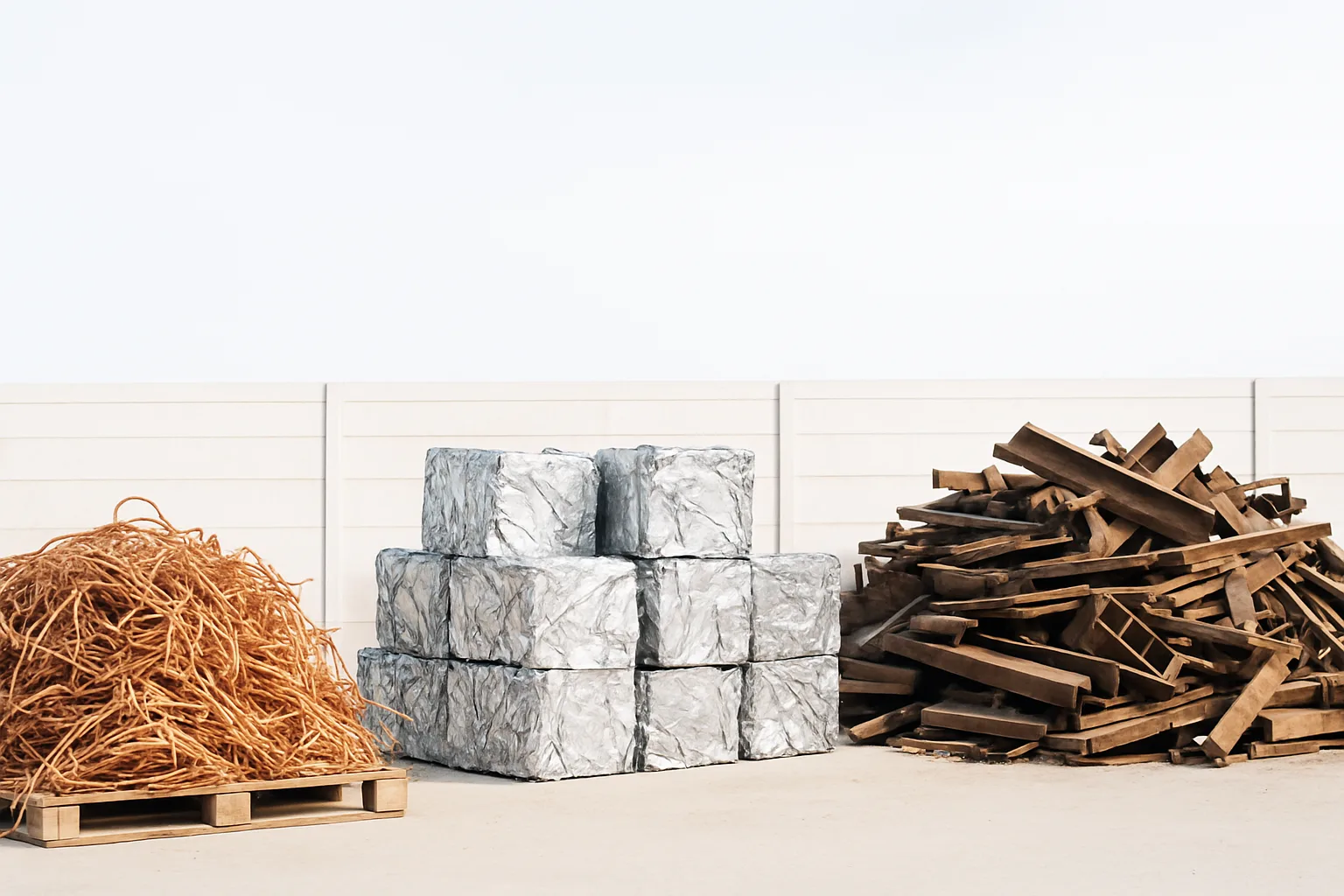
Copper doesn't lie. When copper prices move, the broader metals market pays attention — and right now, scrap copper is one of the most valuable materials sitting in yards, job sites, and garages across Canada. If you're doing scrap metal recycling in Lethbridge and you're not tracking copper grades, you're almost certainly leaving money on the table.
This guide breaks down how copper scrap is graded, what's driving prices in 2026, and how to make sure you're getting paid fairly for every pound you bring in.
Why Copper Scrap Prices Matter More Than Ever in 2026
Global copper demand hasn't slowed down. Electrification — EV infrastructure, grid upgrades, industrial automation — keeps pulling refined copper supply tight. That pressure filters all the way down to the scrap market. Secondary copper (recycled material) fills gaps that primary mining can't keep up with, which gives scrap sellers meaningful leverage when the market is informed.
In Alberta, the construction sector and energy industry continue to generate significant volumes of copper wire, tubing, and electrical components. Lethbridge specifically sees steady copper scrap flow from renovation projects, agricultural equipment, and commercial electrical work. The material is there. The question is whether you're getting fair value for it.
Copper scrap prices in Canada fluctuate with the London Metal Exchange (LME) benchmark, CAD/USD exchange rates, and local supply and demand. That's three variables moving at once — which is exactly why relying on a single buyer quoting you a flat rate is a risky approach. More on that shortly.
The Copper Grading System: Know What You Have Before You Sell
Not all copper is worth the same. Scrap yards sort copper into grades, and the grade determines your payout. Walking in without knowing what you have means the buyer controls the conversation. Here's how the standard grading breaks down:
- #1 Copper (Bare Bright): Clean, uncoated, unalloyed copper wire with a diameter of 16 gauge or larger. No insulation, no solder, no corrosion. This is the top tier — you'll see the highest price per pound here. Think freshly stripped electrical wire from a renovation site.
- #1 Copper (Heavy Copper): Unalloyed copper pipe, bus bars, and solids that are clean and free of fittings and lead. Slightly less than bare bright in most markets but still premium grade.
- #2 Copper: Copper with light oxidation, some solder joints, or minor contamination. Old plumbing pipe often lands here. Price is lower, but volume adds up fast.
- #3 Copper / Roofing Copper: Heavily oxidized, painted, or coated copper. Sometimes contains attachments. Lowest copper grade — expect a meaningful price drop from #1.
- Insulated Copper Wire: Priced based on the estimated copper recovery percentage. Light insulation (high recovery) pays better than thick rubber-jacketed wire. Stripping wire before selling usually improves your return.
- Copper Alloys (Brass, Bronze): These are separate categories entirely. Brass is copper-zinc, bronze is copper-tin. Both are valuable but priced below pure copper grades.
Before you load up and head to a Lethbridge scrap metal services location, sort your material. Mixing grades together often means the buyer grades everything down to the lowest common denominator. A few minutes of sorting can meaningfully change what you walk away with.
What's Driving Copper Scrap Prices in Canada Right Now
As of August 2026, several market forces are shaping copper scrap prices across Alberta and the rest of Canada:
- LME copper prices: The international benchmark has remained elevated through much of 2026, reflecting ongoing supply constraints from major mining regions. Scrap prices track this benchmark — when LME moves, Canadian scrap prices follow, usually within days.
- CAD/USD exchange rate: Most copper is priced in USD on global markets. A weaker Canadian dollar means your scrap is worth more in CAD terms, all else being equal. Tracking the exchange rate gives you context when a buyer quotes you a price.
- Local supply volume: In Lethbridge and southern Alberta, seasonal patterns affect scrap availability. Spring and summer demolition and renovation work pushes copper supply up, which can soften local premiums slightly. Late fall and winter can tighten local supply.
- Transportation and processing costs: Buyers factor in freight and processing. If you're dealing with a buyer who has lower logistics costs or higher throughput, their offer should reflect that.
- Tariff environment: Cross-border metal trade continues to operate under a complex tariff landscape in 2026. For Canadian sellers, this means domestic buyers may be more competitive than they were a few years ago — worth factoring in when you're evaluating offers.
Disclaimer: Copper scrap prices fluctuate daily. The factors above reflect general 2026 market conditions. Always check current rates before selling.
Why a Single Buyer Quote Is a Pricing Guess, Not a Price
Here's the uncomfortable truth about how most scrap copper gets sold: one call, one quote, one price. The seller has no idea if that number is fair, low, or a full dollar per pound below what the market would bear. They take it because there's no alternative reference point.
That's the problem platforms like SMASH Recycling — where verified buyers bid on your metal are built to solve. When multiple vetted buyers compete for your material, the price discovery process actually works. Competition reveals the market. A single quote just reveals what one buyer wants to pay.
This matters especially for larger copper loads — stripped wire runs, commercial plumbing material from a demo project, or accumulated yard inventory. On high-value non-ferrous material like copper, even a modest improvement in price per pound adds up fast across a full load.
If you want to sell your scrap metal at fair Canadian prices, the starting point is making sure you're not selling into a one-buyer vacuum. Document your material, know your grade, and let buyers compete.
How to Get Better Copper Scrap Prices in Lethbridge and Alberta
You don't need to be a metals trader to improve your copper scrap returns. A few practical steps make a real difference:
- Sort before you sell. Separate bare bright from #2 copper. Keep insulated wire separate from clean solids. Don't let mixed loads get graded down as a batch.
- Strip where it's worth it. Thick-jacketed wire with high copper content is often worth stripping. Light insulation on thin wire may not be worth the labour — do the math on recovery percentage versus your time.
- Document your load. Photos and weights before you leave your site give you a reference point. If a buyer's weight differs significantly from yours, you have grounds to ask questions.
- Know the LME price the day you sell. It takes 30 seconds to check. It tells you whether a buyer's quote is in the right ballpark or not.
- Use competitive platforms. Whether you're running a yard or selling as an individual, getting more than one number on your copper is always better than one. Platforms like SMASH are built specifically for this — vetted buyers, documented inventory, auction format.
- Time larger sales strategically. If LME is trending up and your copper can wait a week, patience sometimes pays. If you need cash now, move the material and don't second-guess it.
For businesses in Alberta generating copper regularly — electrical contractors, HVAC companies, demolition crews — it's worth building a process rather than treating each sale as a one-off transaction. Documented inventory, consistent grading, and a reliable platform all compound over time.
Selling Copper Scrap Online: What the Process Actually Looks Like
The idea of selling scrap metal online might sound complicated if you've always done it face-to-face at a yard. In practice, it's more straightforward than most people expect — and it solves the core problem of single-buyer pricing.
Here's how it generally works with a platform like SMASH:
- You document your load — photos, weights, grades, any relevant notes (serial tracking for certain materials, VIN lookup for vehicle-related metals).
- The listing goes to vetted buyers who are actively looking for that material.
- Buyers submit offers competitively. You see what the market is actually willing to pay.
- You accept an offer. Auto-invoicing handles the paperwork.
- Logistics get coordinated — pickup, BOLs, packing lists handled through the platform.
No subscription fees. No guessing. If you want to get a fair price for your scrap today, the process is more accessible than it used to be — and it's not just for large commercial yards. Individual sellers with meaningful copper loads can use the same system.
If you're newer to this and want to understand the broader landscape before you sell, explore scrap metal selling guides that walk through everything from pricing to logistics.
If you're in southern Alberta and you've got copper scrap sitting in your yard, on a job site, or in a storage unit — now is a good time to understand what it's worth and make sure you're selling it right. You can start by reaching out directly at sell-scrapmetal.ca to request a pickup at fair Canadian market prices.
Frequently Asked Questions
Q: What is the difference between #1 and #2 copper scrap?
#1 copper is clean, uncoated, and unalloyed — bare bright wire or clean heavy copper with no solder or corrosion. #2 copper has some oxidation, minor contamination, or solder joints. The price difference between the two grades can be significant, so sorting your material before selling is worth the effort.
Q: How do copper scrap prices in Lethbridge compare to other Alberta cities?
Prices are largely benchmarked to the same LME reference across Alberta, but local supply volume, buyer competition, and transportation costs create variation. Lethbridge sellers benefit from using competitive platforms that expose their material to multiple buyers rather than relying solely on the nearest local yard's posted rate.
Q: Is it worth stripping copper wire before selling it for scrap?
It depends on the wire gauge and insulation type. Thick-jacketed wire with a high copper recovery percentage is usually worth stripping — you move from insulated wire pricing to clean copper pricing, which can be a meaningful jump per pound. For thin or low-recovery wire, the labour may not justify the price improvement. When in doubt, ask your buyer what the recovery estimate is on your specific wire.
Q: Can I sell scrap copper online if I'm not a commercial yard?
Yes. Platforms like SMASH work for both commercial operations and individual sellers with substantial loads. If you have a meaningful volume of copper — stripped wire from a reno, old plumbing from a demo, accumulated yard material — the platform approach gives you access to competitive pricing that a single walk-in quote won't.
Q: How often do scrap copper prices change in Canada?
Copper prices can shift daily, sometimes significantly. They track the London Metal Exchange benchmark and are also affected by the CAD/USD exchange rate. If you're selling a large load, checking the LME price the day you plan to sell takes 30 seconds and gives you a useful reference point against any buyer's quote.
Follow SMASH on LinkedIn for regular scrap metal market updates, price trend insights, and industry news across Canada.