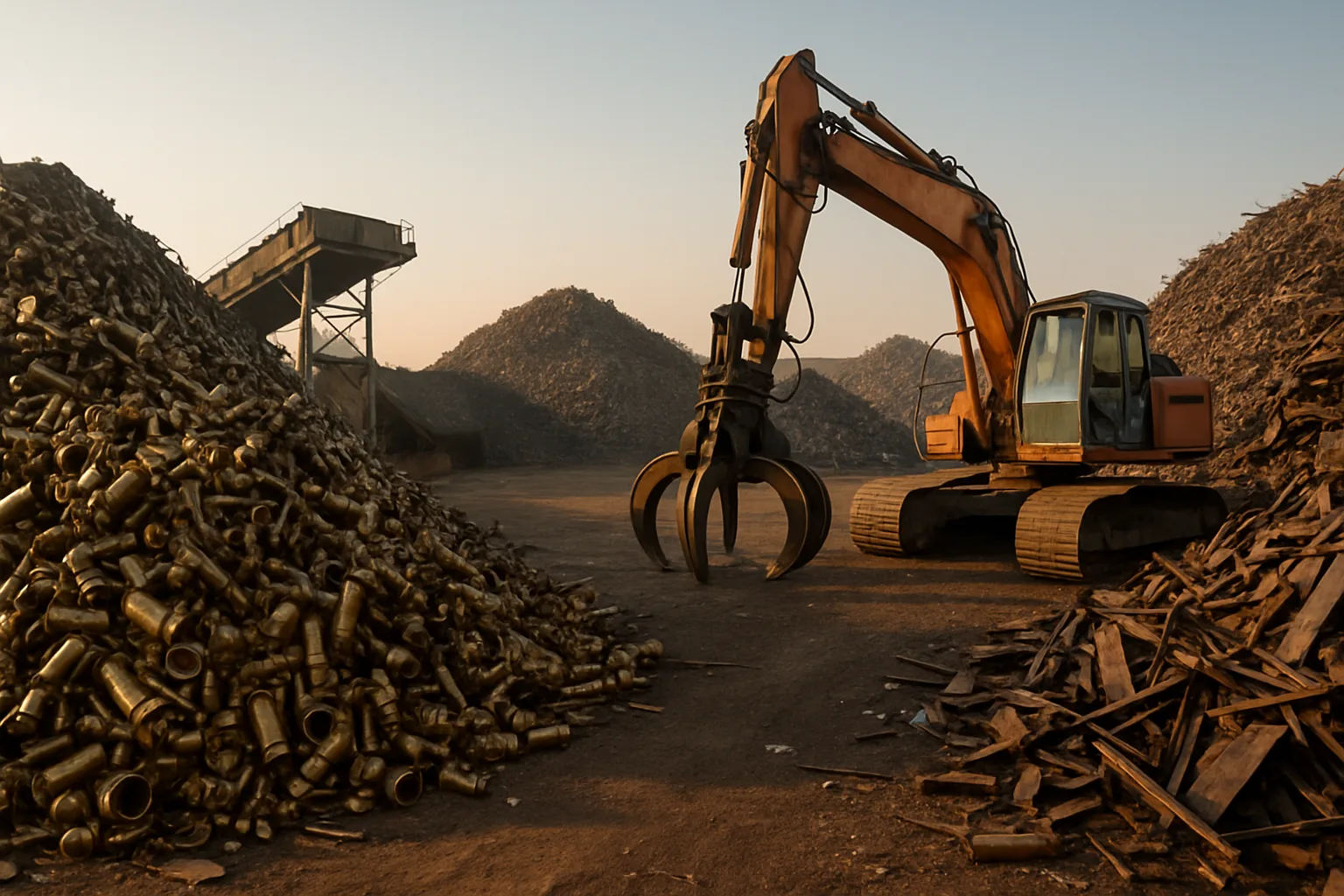
Brass and Bronze Scrap in 2026: What It's Worth and Where to Find It
Most people walk past brass and bronze every day without realizing they're looking at money. A forgotten pile of plumbing fittings in the garage. Old electrical components in a job-site bin. Decorative hardware from a renovation teardown. These aren't just junk — they're non-ferrous metals that recyclers across Canada actively want to buy. If you're trying to understand scrap metal prices today for brass and bronze, you're asking the right question. These alloys consistently rank among the higher-value materials you can bring to a yard or arrange a pickup for.
This guide breaks down what brass and bronze actually are, where to source them, how pricing works in 2026, and how platforms like SMASH are changing the way scrap gets sold — especially for businesses moving volume.
What Are Brass and Bronze — and Why Does the Difference Matter?
Brass and bronze look similar. They're both copper-based alloys with a warm golden tone. But they're not the same material, and buyers price them differently.
Brass is an alloy of copper and zinc. It's used extensively in plumbing (valves, fittings, connectors), electrical components, musical instruments, and hardware. When you're pulling out old pipe connections or sorting through construction demo material, most of what you find is brass.
Bronze is primarily copper and tin, though modern bronze alloys sometimes include aluminum, silicon, or other metals. It's harder and more corrosion-resistant than brass. You'll find it in marine hardware, bushings, bearings, statuary, and industrial machinery components.
Why does the difference matter at the scrap yard? Because each alloy carries a different copper content — and copper content drives price. Brass typically runs 60–70% copper. Some high-quality bronze alloys can run even higher. When a buyer is pricing your load, they're factoring in what the refinery will recover. Knowing which metal you have — and separating them — means you won't get averaged down on a mixed pile.
Where to Find Brass and Bronze Scrap in British Columbia
You don't need to be a demolition contractor to accumulate meaningful quantities of brass and bronze. These materials show up across multiple industries and household situations. If you're based in Surrey or anywhere else in British Columbia, here's where to look:
- Plumbing renovations: Old homes — especially those built before the 1990s — are full of brass fittings, gate valves, ball valves, and copper-to-brass connectors. Any kitchen or bathroom gut job produces usable scrap.
- HVAC and mechanical work: Brass manifolds, bronze pump housings, and fittings are standard in heating and cooling systems. HVAC contractors often accumulate significant quantities over a season.
- Electrical components: Brass terminals, connectors, and bus bars show up in panel work and industrial electrical teardowns.
- Automotive and heavy equipment: Radiator end tanks (older vehicles), bushings, and transmission components often contain bronze. Auto wreckers and equipment yards are consistent sources.
- Manufacturing and machine shops: Turnings, offcuts, and defective parts from machining operations are often high-purity brass or bronze. These are among the most sought-after forms because they're clean and uniform.
- Marine applications: Boat hardware, propellers, through-hull fittings, and seacocks are often naval brass or silicon bronze. In coastal areas of British Columbia, marine scrap is more common than in inland regions.
- Antiques and fixtures: Renovation teardowns from older commercial buildings regularly produce bronze door hardware, handrails, and decorative elements.
In Surrey, where construction activity remains active across residential and commercial projects, trades and contractors frequently have brass and bronze scrap accumulating between jobs. If you're a plumber, electrician, or general contractor, this material has value — it shouldn't be ending up in a general dumpster.
Scrap Metal Prices Today: What Brass and Bronze Are Worth in Canada
Pricing for brass and bronze in Canada in 2026 follows copper market fundamentals. Copper prices fluctuate — sometimes significantly — based on global demand, supply chain conditions, and currency exchange between CAD and USD. Brass and bronze track those movements, so there's no fixed price to quote here that will stay accurate for long.
What you can understand is the pricing structure and how grades affect what you receive:
- Clean yellow brass (plumbing fittings, hardware, no iron attachments): Typically the highest-paying brass grade. Well-sorted clean yellow brass gets the best per-pound return.
- Red brass (higher copper content, often from older plumbing): Pays more than yellow brass because of its copper concentration.
- Brass turnings (machine shop offcuts, shavings): Paid at a slight discount to clean brass due to processing requirements, but still a strong-value material when delivered clean and dry.
- Yellow brass with iron (fittings with steel nipples or attachments not fully removed): Buyers dock this grade. Take the time to strip iron attachments before you sell.
- Bronze: Pricing varies by alloy. Clean bronze bushings or marine hardware from sorted loads tends to price well. Mixed bronze with unknown alloy content prices lower.
- Dirty or contaminated material: Grease, oil, rubber, or heavy oxidation pulls your price down. Clean material always pays better.
Disclaimer: Scrap metal prices fluctuate daily based on commodity markets. Always check current rates before selling — the figures above reflect general grade relationships, not live prices.
If you want to sell your scrap metal at fair Canadian prices, sorting your material by grade before you call a buyer is the single most effective thing you can do to improve what you get paid. Don't let a buyer average down a mixed pile if you've got separable grades.
How SMASH Changes the Game for Scrap Sellers Moving Volume
The traditional way to sell brass and bronze scrap: call one buyer, accept their offer, load the truck. That's it. One data point. No competition. No way to know if you left money on the table.
That model works fine if you're dropping off 20 lbs of fittings. But if you're a contractor, a machine shop, or a yard with regular brass and bronze inventory — a single call to a single buyer is not a pricing strategy. It's a guess.
SMASH is built around a different model. Loads go to a vetted buyer pool. Multiple buyers see the same inventory. Competition determines the price. The seller doesn't have to negotiate — the market does the work. For non-ferrous materials like brass and bronze, where buyers have real margin to compete on, this format can reveal significantly better pricing than a single cold call ever will.
SMASH's inventory tools also support what separates a strong sale from a weak one: documentation. Photo documentation, accurate weight and grade descriptions, and clean packing lists give buyers the confidence to bid aggressively. A buyer who can see exactly what they're getting doesn't need to pad their offer with risk. Canada's B2B scrap recycling marketplace is built on this principle — transparency drives better outcomes for sellers.
For businesses in Surrey and across British Columbia that move regular volumes of brass, bronze, or other non-ferrous scrap, exploring the auction model isn't a stretch — it's the logical next step. More buyers means better price discovery. That's not a slogan. That's how commodity markets work.
Preparing Your Brass and Bronze Scrap for Sale: Practical Steps
Getting the best return on brass and bronze isn't complicated. It just requires a bit of preparation before the pickup or drop-off. Here's what makes a difference:
- Sort by grade. Yellow brass, red brass, bronze — keep them separate. Mixed piles get priced at the lowest grade in the pile.
- Remove iron and steel attachments. Steel nipples, iron valve bodies, and mounted brackets will drop your grade. A pipe wrench and five minutes can make a meaningful difference per pound.
- Clean the material. Remove rubber gaskets, plastic fittings, and heavy grease where practical. Clean, dry metal prices better than contaminated scrap.
- Weigh it yourself if you can. Knowing your approximate weight before you call a buyer gives you better information going into the conversation.
- Document what you have. If you're selling volume to a platform like SMASH, photos and a basic description of your load help buyers bid accurately — and confidently.
- Check current prices before you sell. Brass and bronze prices move with copper. A quick check of current commodity rates helps you evaluate any offer you receive.
If you're ready to move material, get a fair price for your scrap today — or Surrey scrap metal services can help you arrange a local pickup with the right documentation from the start.
For sellers who want to go deeper on how to navigate the recycling market, explore scrap metal selling guides covering everything from non-ferrous grades to catalytic converter pricing.
Industry Context: Non-Ferrous Markets in 2026
Copper-based metals — including brass and bronze — remain among the most actively traded scrap commodities in North America heading through 2026. Electrification demand, ongoing infrastructure investment, and strong manufacturing activity continue to drive recycler interest in copper alloy scrap. Buyers are competing for clean, well-documented loads of brass and bronze because the refinery pipeline for these materials is reliable and demand is steady.
In Canada, tightening documentation requirements from processors and smelters mean that sellers who show up with sorted, documented loads are increasingly preferred over mixed, undocumented material. This shift benefits organized sellers — contractors, machine shops, and yards that invest in proper inventory practices get better access and better pricing. Platforms like SMASH are built around this reality: the more transparent the transaction, the better it performs for everyone involved.
When you're ready to move your brass and bronze scrap at fair market value, the tools and buyers exist to make that happen. You just need to use them.
Frequently Asked Questions
Q: What is brass scrap worth in Canada right now?
Brass scrap prices in Canada follow copper commodity markets and change daily. Clean yellow brass and red brass consistently price higher than mixed or contaminated material. Always check current rates with a buyer or commodity index before selling — no published figure stays accurate for long in a live market.
Q: How do I find a scrap metal buyer near me in Surrey, BC?
For smaller loads, local scrap yards in the Surrey area accept walk-in drop-offs of brass, bronze, and other non-ferrous metals. For larger volumes, platforms like SMASH connect sellers with vetted buyers across British Columbia and beyond, often with pickup arranged directly. Check Surrey scrap metal services for local options.
Q: Is bronze worth more than brass as scrap?
Not always — it depends on the alloy and the buyer. Some bronze alloys carry higher copper content than standard yellow brass, which can push the price higher. But contaminated or unknown-alloy bronze may price below clean yellow brass. Sorting and identifying your material accurately is the best way to make sure you're paid for what you actually have.
Q: Do I need to remove the steel fittings from brass plumbing before selling?
Yes, if you want the best price. Brass fittings with iron or steel attachments are downgraded by buyers because of the processing cost involved in separation. Stripping iron components before delivery takes a few minutes and can meaningfully increase your per-pound return.
Q: What is the best way to sell large volumes of brass and bronze scrap in British Columbia?
For volume sellers — contractors, machine shops, industrial yards — the auction model on a platform like SMASH exposes your load to multiple vetted buyers simultaneously. Competition between buyers drives better price discovery than a single phone call to one contact. Document your load accurately, sort by grade, and let the market set the price.
Brass and bronze aren't glamorous scrap. They don't come with the buzz of catalytic converters or the volume of steel. But pound for pound, they're among the most consistently valuable non-ferrous materials you can sell. Sort it properly, document it honestly, and put it in front of real competition — that's how you get paid what it's actually worth. If you're in Surrey or anywhere else in Canada, there's no reason to settle for one buyer's opening offer. Sell your scrap metal at fair Canadian prices — request a pickup at sell-scrapmetal.ca and see what a competitive market looks like.
Follow SMASH on LinkedIn for ongoing scrap metal market insights, pricing trends, and industry updates: SMASH on LinkedIn.